
When evaluating Truck Tires for commercial fleets, many buyers focus on load capacity, tread life, and fuel efficiency. While these factors are important, fleets operating on rough roads, construction sites, quarries, mining areas, and mixed-service routes should also pay close attention to cut resistance, chip resistance, and stone retention features.
These tire characteristics directly affect durability, maintenance costs, retreadability, and overall tire lifespan. Selecting truck tires with advanced protection against cuts, chips, and stone damage can significantly reduce downtime and improve return on investment. As a trusted commercial tire manufacturer, LONGMARCH develops truck tire solutions designed to withstand demanding operating conditions while delivering reliable performance.
Commercial trucks often encounter harsh surfaces that place tremendous stress on tires.
Common hazards include:
· Sharp rocks
· Gravel roads
· Construction debris
· Broken pavement
· Mining environments
· Uneven terrain
Over time, these conditions can damage tire tread and casing structures, leading to premature tire replacement and increased operating costs.
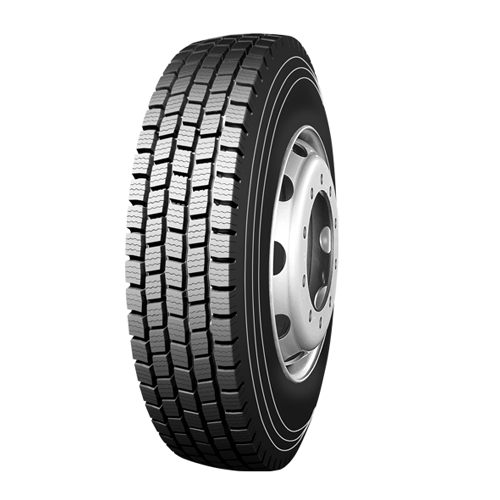
Tire damage can result in:
· Unexpected downtime
· Increased maintenance expenses
· Reduced tire lifespan
· Lower retread success rates
· Safety concerns
Choosing truck tires with specialized protection features helps fleets maintain productivity and reduce total ownership costs.
Cut resistance refers to a tire's ability to withstand sharp objects that can penetrate or slice the tread and sidewall.
Cuts are especially common in:
· Construction sites
· Quarry operations
· Mining applications
· Waste management facilities
· Off-road transportation routes
Modern truck tires use several design strategies to improve cut protection.
Advanced tread compounds are formulated to resist tearing and penetration from sharp materials.
Benefits include:
· Longer tread life
· Reduced damage rates
· Improved durability
Multi-layer casing structures provide additional protection against deep cuts that could affect tire integrity.
Some truck tires feature reinforced sidewalls designed to withstand impacts from rocks, curbs, and debris.
LONGMARCH incorporates durable rubber compounds and robust casing technology to enhance cut resistance in demanding environments.
Chipping occurs when small pieces of tread rubber break away from the tire surface.
Although individual chips may seem minor, repeated chipping can gradually reduce tread depth and accelerate tire wear.
Truck tires are more susceptible to chipping when operating on:
· Crushed stone roads
· Gravel surfaces
· Mining routes
· Construction zones
· Rough industrial yards
High temperatures and heavy loads can further increase the risk.
Chip-resistant compounds are designed to maintain flexibility while resisting cracking and tread fragmentation.
Proper tread block geometry distributes stress more evenly across the tire surface.
This helps prevent:
· Surface cracking
· Tread chunking
· Premature wear
Reducing heat buildup improves rubber durability and helps minimize chip formation.
Stone retention occurs when small rocks become trapped within tread grooves.
Over time, these trapped stones can gradually work deeper into the tire structure.
This process is often called "stone drilling."
Stone drilling can lead to:
· Tread damage
· Belt separation
· Casing penetration
· Reduced retreadability
· Tire failure
For fleets relying on tire retreading programs, stone damage can significantly increase operating expenses.
Modern truck tires often include technologies specifically designed to reduce stone retention.
Stone ejectors are raised structures located within tread grooves.
Their purpose is to push stones out of the groove as the tire rotates.
Benefits include:
· Reduced stone drilling
· Improved casing protection
· Extended tire lifespan
The shape and width of tread grooves affect how easily stones become trapped.
Well-designed grooves allow debris to exit naturally during operation.
Certain tread designs improve debris evacuation by preventing the accumulation of mud, gravel, and stones.
LONGMARCH truck tires utilize advanced groove designs and stone ejector technologies to enhance casing protection and retread performance.
Highway trucks encounter fewer sharp rocks but still benefit from stone-resistant tread designs.
Key priorities include:
· Fuel efficiency
· Tread longevity
· Even wear
· Stone ejection capability
Regional fleets frequently operate on mixed road surfaces.
Recommended features include:
· Moderate cut resistance
· Enhanced chip protection
· Effective stone ejectors
These environments demand maximum durability.
Ideal truck tires should offer:
· Aggressive tread patterns
· High cut resistance
· Strong chip-resistant compounds
· Advanced stone retention protection
Mining operations create some of the harshest tire conditions.
Look for:
· Reinforced sidewalls
· Deep tread depths
· Specialized cut-and-chip compounds
· Heavy-duty casing construction
Stone drilling and casing damage can reduce the number of times a tire can be successfully retreaded.
Choosing tires with strong stone ejection features helps preserve casing quality.
The cheapest tire is not always the most economical choice.
A premium tire with superior cut, chip, and stone resistance may offer:
· Longer service life
· Lower maintenance costs
· Improved retread value
· Reduced downtime
Even the best truck tires require proper maintenance.
Fleet operators should regularly:
· Inspect tread grooves
· Remove trapped debris
· Monitor inflation pressure
· Check alignment
· Rotate tires when appropriate
These practices maximize tire performance and durability.
LONGMARCH designs truck tires for a wide range of commercial applications, including highway transportation, regional delivery, construction, and mixed-service operations.
Key durability features include:
· Cut-resistant tread compounds
· Chip-resistant rubber formulations
· Advanced stone ejector technology
· Durable casing construction
· Excellent retreadability
These features help fleets reduce operating costs while maintaining reliable performance in challenging environments.
When comparing Truck Tires, cut resistance, chip resistance, and stone retention protection should be key evaluation criteria—especially for fleets operating on rough or mixed-service routes. Tires equipped with advanced tread compounds, reinforced casings, optimized groove designs, and stone ejector technologies can significantly improve durability and reduce maintenance costs.
By understanding these critical features and selecting high-quality solutions from LONGMARCH, fleet managers can extend tire life, improve retreadability, minimize downtime, and achieve a lower total cost of ownership across their commercial vehicle operations.
Previous: How to Choose Passenger Car Tires for Daily Commuting and Family Use
Next: Load Index and Speed Rating Checks Before Buying Truck Tires
Copyright:@2020-2021

Comments Please sign in or sign up to post.
0
0 of 500 characters used