
Weld defects can greatly impact the performance and safety of stainless steel pipes. The most common types include:
Porosity
Cracking
Inadequate Penetration
Undercutting
Slag Inclusion
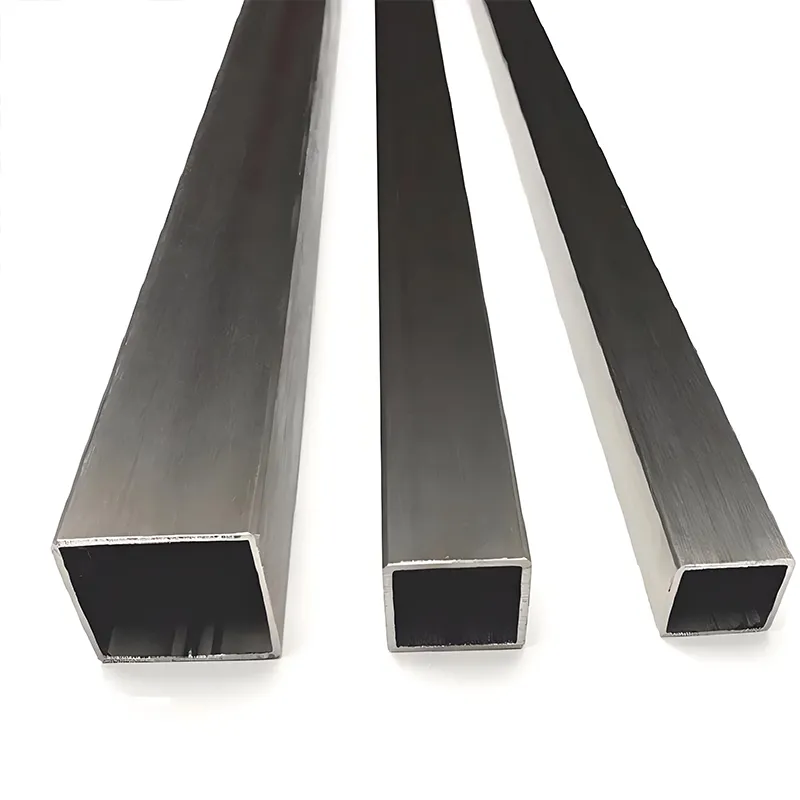
Material preparation sets the foundation for a strong weld. Follow these steps:
Clean the surfaces of the stainless steel pipes to remove any dirt, grease, or oxide layers.
Use a grinder or a wire brush to ensure a smooth, fit surface.
Confirm that the materials meet all specifications before welding begins.
Common Mistakes to Avoid: Skipping the cleaning process leads to contamination and defects.
The right filler material is critical for achieving a strong weld. Ensure that:
You select a filler material compatible with the stainless steel grade used.
The filler material matches the mechanical properties required for the application.
Common Mistakes to Avoid: Using incompatible fillers can lead to weakening and failure of the weld.
Welding parameters such as voltage, current, and speed affect the quality of the weld. Follow these guidelines:
Set the voltage and current according to the material thickness.
Maintain a consistent welding speed to prevent overheating.
Common Mistakes to Avoid: Inconsistent parameters can cause weld defects like undercuts and cracks.
The environment in which welding takes place can introduce defects. Ensure that:
The workspace is free from drafts and contaminants.
The temperature is controlled to reduce thermal stress on the weld.
Common Mistakes to Avoid: Failing to control the environment can lead to issues like warping and cracking.
Post-weld treatments can greatly enhance the integrity of the joint. Consider the following:
Apply a cleaning solution to remove any slag or oxides.
Use heat treatment to relieve residual stresses in the weld.
Common Mistakes to Avoid: Neglecting post-weld treatment may leave defects unresolved.
Welding machine appropriate for stainless steel
Filler material and electrodes
Grinder or wire brush
Welding helmet with proper shade
Protective gloves and clothing
Cleaning agents for surface preparation
Preventing common defects in welded stainless steel pipes requires careful attention to detail throughout the welding process. From material preparation to post-weld treatments, each step plays an essential role in ensuring the integrity of the finished product. If you're seeking welded stainless steel pipes, consider Qingze, a leading Stainless Steel Pipes Factory in China.
Previous: Hydraulic Control Valve vs Electric Control Valve
Next: How to measure track wall thickness (1.0mm vs. 1.5mm aluminum) for heavy outdoor roller blinds
Copyright:@2020-2021

Comments Please sign in or sign up to post.
0
0 of 500 characters used