
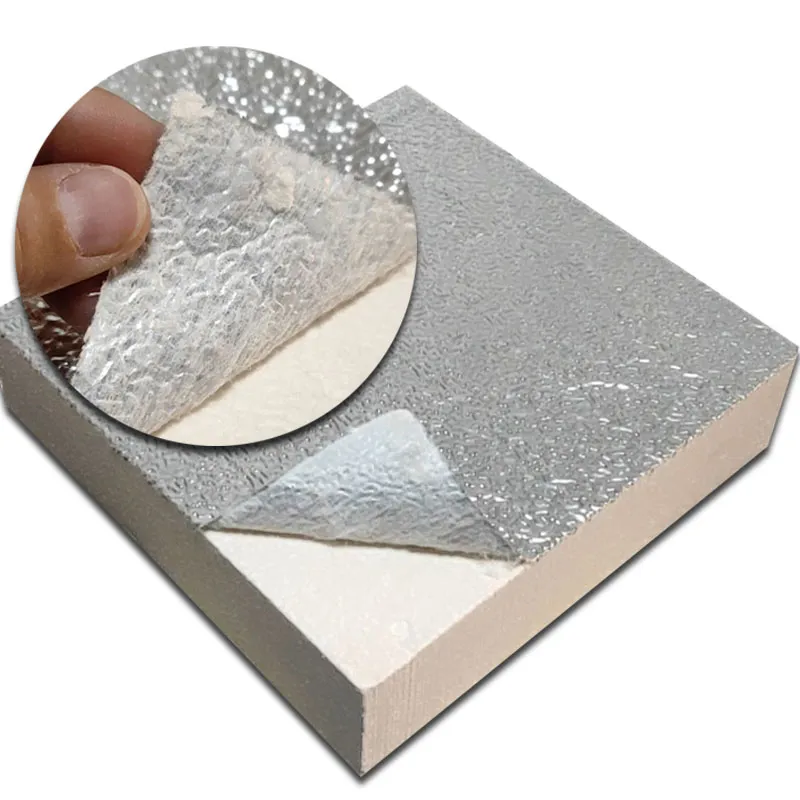
As fire safety regulations grow increasingly strict across the globe, architects, contractors, and developers are turning to smarter materials that combine protection with performance. One material that is quickly becoming the gold standard in both fire resistance and energy efficiency is the Phenolic Foam Board Fireproof Insulation Board.
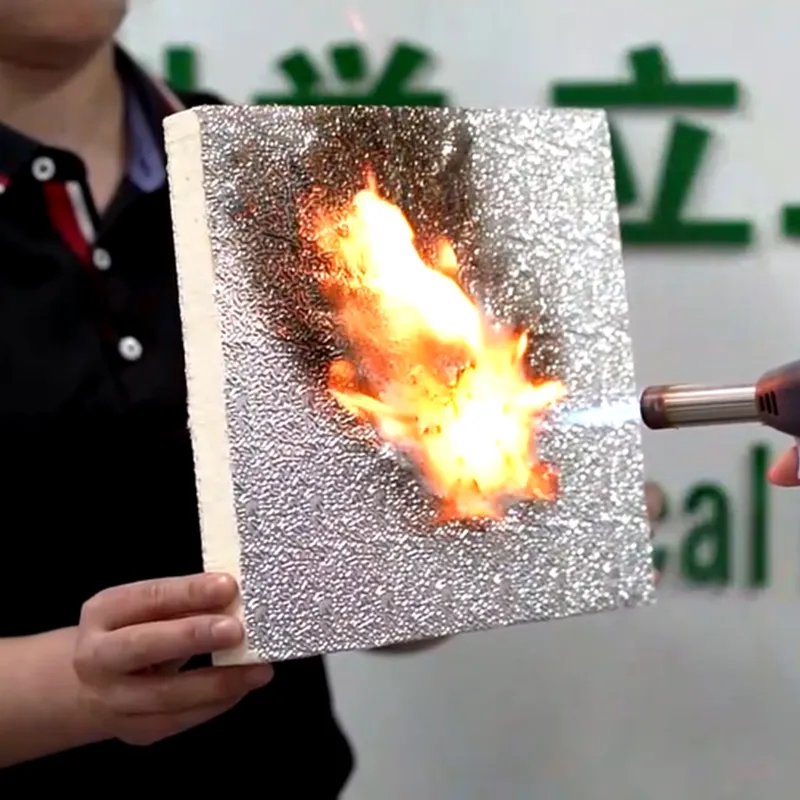
In recent years, high-profile fires have brought attention to the need for non-combustible, low-smoke-emission materials in construction. Traditional insulation materials like polyurethane or EPS often fall short in fire safety performance. In contrast, Phenolic Foam Board Fireproof Insulation Board is engineered to resist ignition, reduce smoke toxicity, and maintain structural integrity under extreme heat.
This is why leading projects in commercial real estate, healthcare facilities, schools, and high-rise residential towers are now integrating phenolic insulation boards as a core component of fireproofing strategy.

Phenolic foam is a rigid thermoset material made through a high-temperature curing process, resulting in a closed-cell structure that offers:
Class 0 or 1 fire rating, with minimal flame spread
Extremely low smoke generation, protecting evacuation routes
Thermal conductivity as low as 0.020 W/m·K, reducing energy loss
Moisture and mold resistance, ideal for long-term use
Lightweight structure, easy to install across walls, ceilings, ducts, and roofs
These combined benefits make Phenolic Foam Board Fireproof Insulation Board not just a passive protection layer—but a proactive solution for modern, high-performance buildings.
From HVAC duct systems and interior walls to roofing and exterior cladding, phenolic insulation boards are being adopted in projects where fireproofing and thermal insulation must work hand in hand. In Southeast Asia, Europe, and the Middle East, demand is surging due to tightening codes and a growing awareness of green building solutions.
Building owners and developers no longer have to choose between safety and efficiency. With Phenolic Foam Board Fireproof Insulation Board, they get both. It’s not just a product—it’s part of a safer, more sustainable future in construction.
Previous: Glass Wool Board with Aluminum Foil: How the Foil Layer Improves Radiant Heat Blocking
Next: Mistakes to Avoid During WPC Decorative Panel Installation
Copyright:@2020-2021

Comments Please sign in or sign up to post.
0
0 of 500 characters used