
Lighting is one of the most important elements in interior design. It affects how large, warm, and inviting a space feels. In modern architecture and renovation projects, glass mosaic tiles have become a popular material for enhancing brightness through their unique light-reflecting properties.
Unlike matte surfaces that absorb light, glass mosaic tiles interact with both natural and artificial lighting to create luminous, dynamic interiors. This makes them especially effective in bathrooms, kitchens, and compact living spaces where brightness is essential.
As a professional Glass Mosaic Tile Manufacturer, Ralart Mosaic designs high-quality glass mosaic products that maximize light reflection while maintaining durability and visual elegance.
To understand why glass mosaic tiles brighten rooms, it is important to first understand how light behaves when it hits different materials.
When light strikes a surface, it can be:
· Absorbed (darkening the space)
· Diffused (soft scattering)
· Reflected (bouncing light back into the room)
Glass mosaic tiles primarily reflect and partially diffuse light, which enhances overall brightness and spatial perception.
Highly reflective surfaces help:
· Increase perceived space
· Improve room brightness
· Reduce reliance on artificial lighting
· Create visual depth and movement
This is particularly beneficial in small or low-light environments.
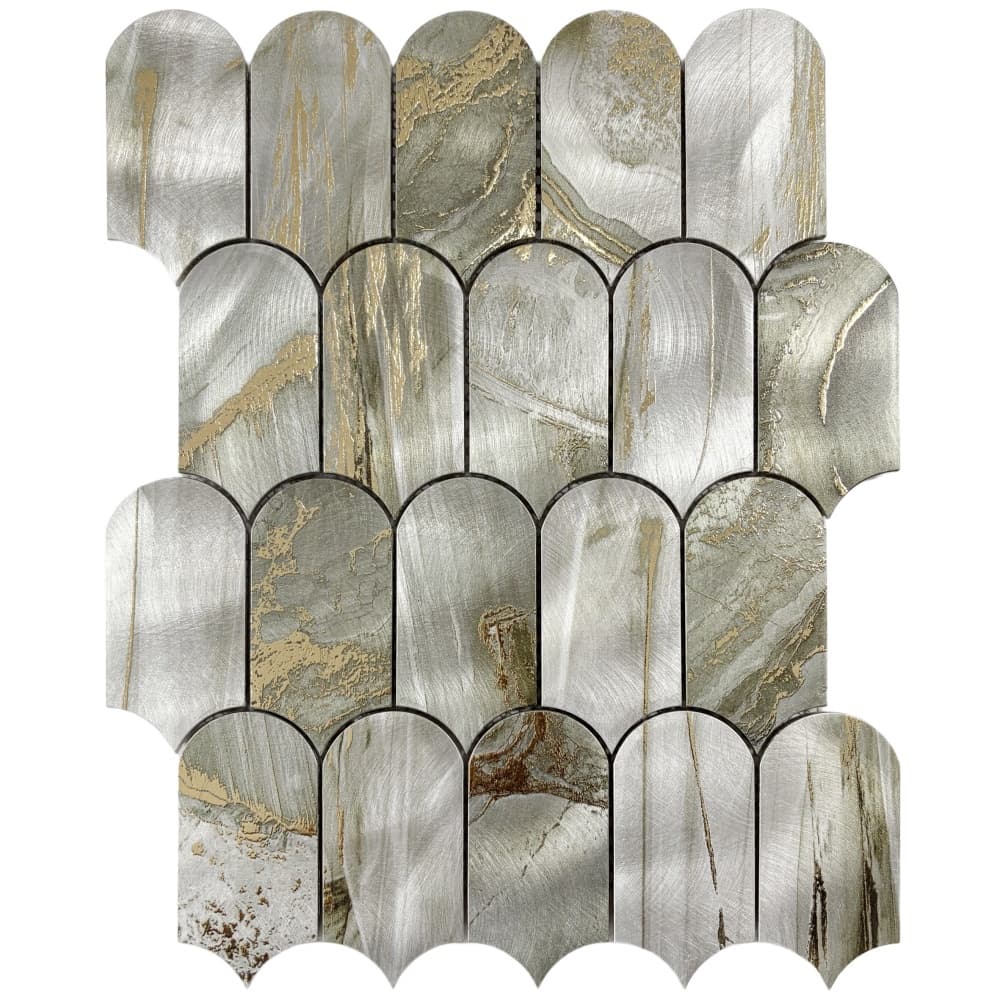
Glass mosaic tiles are made from non-porous glass materials with smooth or textured finishes that interact efficiently with light.
Smooth and glossy glass mosaics reflect light in a direct and strong manner. This produces:
· High brightness levels
· Clear reflections
· A clean and modern aesthetic
These tiles are often used in contemporary bathroom and kitchen designs.
Textured glass mosaics scatter light in multiple directions. This creates:
· Soft glow effects
· Subtle shimmer
· Depth and dimension
Iridescent finishes further enhance this effect by shifting color depending on the viewing angle and light source.
Ralart Mosaic, as a leading Glass Mosaic Tile Manufacturer, produces a wide range of finishes that optimize both direct and diffused light reflection for different design needs.
Glass mosaic tiles are versatile and can transform various interior environments through their light-enhancing properties.
Bathrooms often lack natural light. Glass mosaic tiles help by:
· Reflecting artificial lighting from mirrors and ceiling fixtures
· Creating a clean, spa-like atmosphere
· Making compact spaces feel larger
In kitchens, glass mosaics improve visibility and ambiance by:
· Reflecting under-cabinet lighting
· Brightening work surfaces
· Enhancing modern design aesthetics
When used as decorative accents, glass mosaics:
· Add sparkle to feature walls
· Enhance ambient lighting
· Create focal points in darker corners
Color selection significantly influences how much light is reflected or absorbed.
· White
· Light gray
· Soft beige
· Pale blue
These colors reflect more light and make spaces feel open and airy.
· Deep blue
· Charcoal gray
· Black accents
While darker tones absorb more light, they can be used strategically to create depth and contrast when paired with reflective glass surfaces.
Different finishes on glass mosaic tiles influence how light behaves in a room.
Glossy glass mosaics provide:
· Strong light reflection
· High shine effect
· A polished modern look
They are ideal for small or dimly lit spaces.
These finishes:
· Soften light reflection
· Reduce glare
· Create a calm and subtle ambiance
Iridescent mosaics:
· Reflect multiple colors depending on light angle
· Add luxury and visual interest
· Enhance decorative lighting effects
Proper installation plays a key role in maximizing the brightness benefits of glass mosaic tiles.
· Opposite windows to reflect natural light
· Behind vanity mirrors
· Shower enclosure walls
· Kitchen backsplash zones
· Feature accent walls with lighting
Glass mosaics perform best when paired with:
· LED strip lighting
· Recessed ceiling lights
· Mirror backlighting
· Accent wall washers
This combination enhances reflection and creates layered illumination.
Using glass mosaic tiles for light reflection provides both aesthetic and functional advantages.
Reflected light creates the illusion of a larger interior, especially in compact rooms.
By increasing natural and artificial light distribution, glass mosaics can reduce the need for excessive lighting.
Reflective surfaces are commonly associated with premium hotel and spa designs.
As a trusted Glass Mosaic Tile Manufacturer, Ralart Mosaic focuses on delivering products that combine visual luxury with practical performance.
Even high-quality glass mosaics require proper installation to achieve optimal reflection.
Uneven surfaces can distort light reflection and reduce visual clarity.
· Light-colored grout enhances seamless reflection
· Dark grout emphasizes pattern contrast
Expert installation ensures consistent alignment, maximizing the tile’s reflective performance.
Glass mosaic tiles enhance interior brightness through their unique ability to reflect and diffuse light across surfaces. Their performance depends on surface finish, color selection, placement strategy, and installation quality.
When properly designed and installed, they can transform dark or compact rooms into bright, visually expansive environments.
As an experienced Glass Mosaic Tile Manufacturer, Ralart Mosaic continues to innovate glass mosaic solutions that elevate interior lighting performance while delivering long-lasting beauty and design flexibility.
Whether used in bathrooms, kitchens, or feature walls, glass mosaic tiles remain one of the most effective materials for creating luminous and modern interior spaces.
Previous: What Are the Uses of Stainless Steel Sheets?
Next: Gabion Basket vs Traditional Concrete Walls Cost Comparison
Copyright:@2020-2021

Comments Please sign in or sign up to post.
0
0 of 500 characters used