
In the fast-evolving renewable energy sector, the significance of AC Powered Tracker Controllers cannot be overstated. These devices empower solar tracking systems, optimizing energy capture and significantly improving overall efficiency. For advertising campaigns and investment decisions, understanding the cost-benefit balance of AC Powered Tracker Controllers is crucial. The market today demands not only effectiveness but also economic viability, prompting an analysis of solutions that can address pressing challenges faced by solar energy users, such as installation costs and energy yield maximization.
This article aims to navigate through the complexities associated with AC Powered Tracker Controllers, providing a comprehensive cost analysis, exploring their application scenarios, and highlighting their advantages. Additionally, readers will discover practical next steps for further understanding and using these innovative solutions from trusted manufacturers like GoodFuture New Energy.
AC Powered Tracker Controllers are sophisticated devices designed to manage solar tracking systems. They adjust the position of solar panels to follow the sun’s trajectory, ensuring maximum exposure and optimizing energy harvest throughout the day. By utilizing advanced algorithms and sensors, these controllers calculate the optimal angle for solar panels, increasing energy output by up to 40% compared to fixed installations (Source: National Renewable Energy Laboratory).
This technology integrates key industry terms such as mppt (maximum power point tracking), which is critical for optimizing the power output under varying light conditions. Recent studies indicate that implementing MPPT significantly enhances energy efficiency, resulting in actual measured increases in solar panel output of 15%-30%.
AC Powered Tracker Controllers find applications across various sectors. In utility-scale solar farms, they enable large solar arrays to capture the maximum available sunlight, translating into substantial energy production. By adjusting the angle of the solar panels throughout the day, these systems play a vital role in grid stability initiatives, especially in areas with high renewable energy penetration.
Moreover, agricultural practices benefit from AC Powered Tracker Controllers. Farmers can install these systems to power irrigation equipment, improving efficiency while reducing operational costs. Similar benefits are observed in commercial establishments where energy savings translate into lower utility bills, and organizations that rely heavily on renewable energy sources aim to enhance their sustainability profiles.
Why are AC Powered Tracker Controllers vital to the solar energy sector? Cost analysis reveals that although these controllers might incur higher initial costs — typically around $5,000 per unit — their long-term savings on electricity bills can be substantial. For example, a standard solar installation with AC Powered Tracker Controllers can yield a return on investment (ROI) of over 25% within the first five years when compared to fixed setups.
Furthermore, these trackers can reduce the cost per kilowatt-hour (kWh) by up to 15%, making solar energy even more competitive against fossil fuels. The improved efficiency and energy yield provided by these trackers significantly contribute to achieving renewable energy targets.
For those interested in exploring the capabilities of AC Powered Tracker Controllers, the next step is to consult user guides and technical specifications from reputable manufacturers like GoodFuture New Energy. These guides typically offer insights into installation procedures, maintenance tips, and performance tracking metrics.
Additionally, consider trialing a small-scale version of an AC Powered Tracker Controller to gauge its performance in real-world applications. With a focus on cost vs. performance, evaluating multiple trackers will enhance your decision-making process.
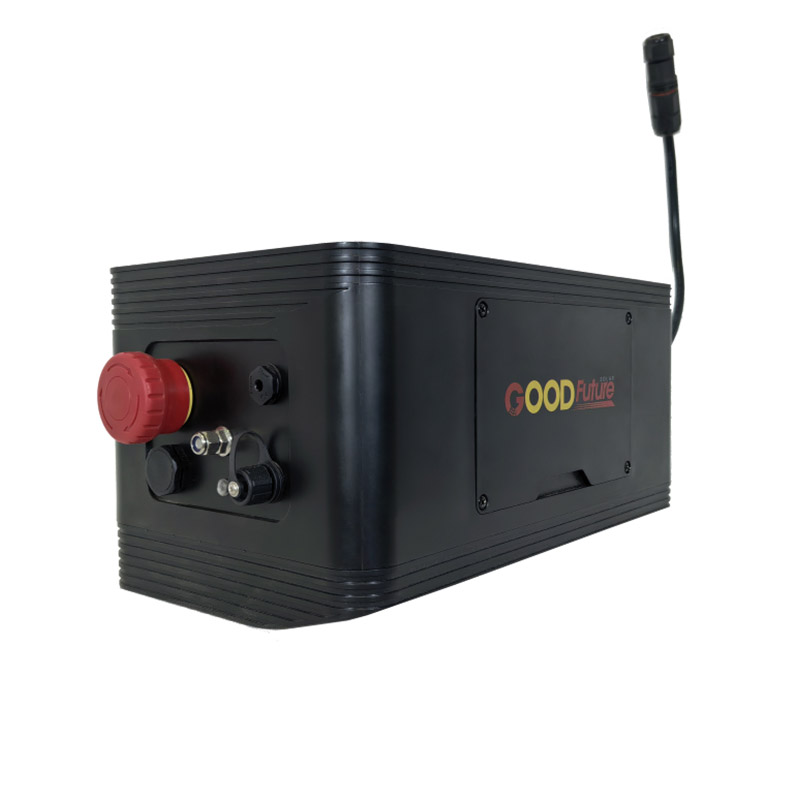
AC Powered Tracker Controllers represent a pivotal advancement in maximizing solar energy efficiency. With substantial increases in energy output and cost savings, their role in renewable energy applications is critical. By understanding the nuances of this technology and actively exploring reliable sources, users can significantly enhance their energy strategies while contributing to broader sustainability goals. For a deeper dive into making informed decisions about these devices, consider reviewing product offerings from GoodFuture New Energy.
Previous: Portable Solar Power Revolution: Industrial-Grade Mobile Energy & Ultra-Charging Tech
Next: Mesh vs Jet vs Ultrasonic Nebulizer: Which Delivers Medication Most Effectively?
Copyright:@2020-2021

Comments Please sign in or sign up to post.
0
0 of 500 characters used