
Thermal oxidation is one of the leading causes of polymer degradation. Prolonged exposure to heat and oxygen can reduce mechanical strength, cause discoloration, and shorten the service life of plastic and rubber products. To address these challenges, manufacturers often rely on multi-component stabilization systems that combine primary and secondary antioxidants.
Among the most effective secondary stabilizers for long-term heat resistance are thioether antioxidants. These additives work synergistically with primary antioxidants to improve thermal stability and extend product durability in demanding environments.
Understanding the role of thioether antioxidants can help formulators design more robust and cost-effective stabilization packages. As a trusted supplier of polymer additives, Onelead provides advanced antioxidant solutions for a wide range of industrial applications.
Polymers are susceptible to oxidative degradation during both processing and end-use exposure.
Factors that accelerate oxidation include:
· High operating temperatures
· Oxygen exposure
· Mechanical stress
· Repeated recycling cycles
· Long-term heat aging
Oxidation typically follows a chain reaction mechanism involving free radicals and hydroperoxides.
The degradation cycle generally includes three stages:
Heat or stress breaks polymer chains, creating free radicals.
Free radicals react with oxygen to form hydroperoxides and additional radicals, accelerating degradation.
Antioxidants interrupt the oxidation cycle and preserve material properties.
Without effective stabilization, polymers may experience:
· Yellowing and discoloration
· Reduced tensile strength
· Surface cracking
· Loss of flexibility
· Melt flow instability
· Premature product failure
Thioether antioxidants, also known as sulfur-containing secondary antioxidants, are hydroperoxide decomposers designed to prevent oxidation from progressing.
Unlike primary antioxidants, they do not directly neutralize free radicals. Instead, they convert hydroperoxides into stable, non-reactive compounds.
This mechanism helps slow the oxidation process and improves long-term thermal stability.
Widely used thioether antioxidants include:
· Dilauryl thiodipropionate (DLTDP)
· Distearyl thiodipropionate (DSTDP)
These additives are commonly incorporated into polymer formulations that require excellent heat-aging resistance.
Hydroperoxides are unstable intermediates that form during polymer oxidation.
If left untreated, they decompose into additional free radicals, accelerating material degradation.
Thioether antioxidants react with hydroperoxides and convert them into stable alcohols or inert compounds before they can generate new radicals.
This process helps:
· Minimize polymer chain scission
· Reduce oxidative stress
· Preserve mechanical properties
· Extend service life
Because they target hydroperoxides directly, thioether antioxidants are especially effective during long-term heat exposure.
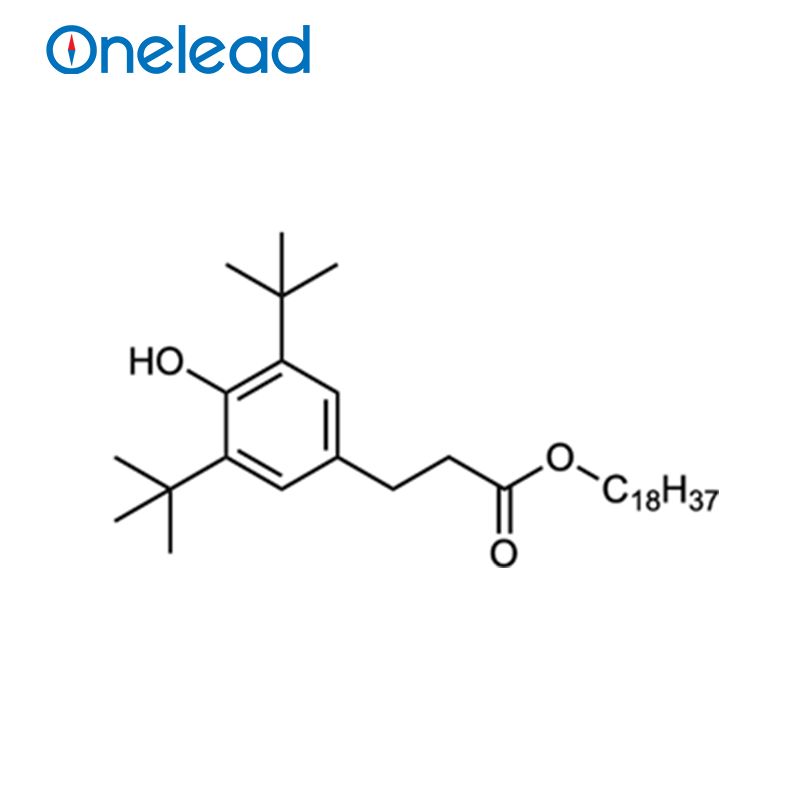
Thioether antioxidants provide optimal performance when combined with primary antioxidants such as hindered phenols.
Primary antioxidants neutralize free radicals.
Thioether antioxidants eliminate hydroperoxides.
Together, they interrupt multiple stages of the oxidation cycle, delivering comprehensive protection.
Using thioether antioxidants with primary antioxidants provides:
· Enhanced long-term heat-aging resistance
· Improved thermal stability
· Better retention of physical properties
· Reduced discoloration
· Extended product lifespan
· Lower additive consumption
This synergistic approach often outperforms single-antioxidant formulations.
Thioether antioxidants are widely used in applications requiring long-term heat resistance.
Polyethylene and polypropylene compounds rely on secondary antioxidants to maintain performance during prolonged thermal exposure.
Electrical insulation materials require excellent thermal stability to ensure long service life.
Under-the-hood applications such as seals, gaskets, and hoses experience continuous heat stress.
Rubber products benefit from improved resistance to oxidative aging.
Long-term thermal protection helps preserve flexibility and bonding performance.
Repeated processing cycles increase hydroperoxide levels, making secondary stabilization essential.
Compared with other secondary antioxidants, thioether antioxidants offer unique benefits for heat-aging applications.
They provide durable protection under continuous heat exposure.
Their complementary mechanism enhances overall antioxidant efficiency.
They remain effective during processing and long-term use.
They help maintain strength, flexibility, and impact resistance over time.
They are particularly valuable in demanding industrial and automotive applications.
Choosing the right antioxidant package depends on several factors.
Different polymers require tailored stabilization systems.
Temperature, residence time, and shear stress influence additive performance.
Exposure to heat, chemicals, and outdoor conditions affects antioxidant requirements.
Applications involving food contact or consumer products may require specific approvals.
Partnering with an experienced supplier ensures the best balance of performance, cost, and compliance.
As a reliable provider of advanced polymer additives, Onelead offers a comprehensive range of thioether antioxidants and complementary stabilization technologies.
Our advantages include:
· High-quality, consistent products
· Customized formulation support
· Technical application expertise
· Global supply capabilities
· Regulatory compliance assistance
· Responsive customer service
Whether you need secondary antioxidants for heat-aging resistance or complete stabilization packages, Onelead can help optimize your formulations for superior performance.
Thioether antioxidants play a vital role in protecting polymers against long-term thermal degradation. By decomposing hydroperoxides before they generate additional free radicals, these secondary antioxidants significantly improve heat-aging performance.
When combined with primary antioxidants, thioether antioxidants create a powerful synergistic system that enhances thermal stability, preserves mechanical properties, and extends product lifespan.
For manufacturers seeking reliable and efficient stabilization solutions, partnering with Onelead ensures access to the expertise and innovative antioxidant technologies needed for demanding applications.
Previous: What is a true industrial VPSA Oxygen Plant
Next: Key Properties of Potassium Peroxymonosulfate Explained
Copyright:@2020-2021

Comments Please sign in or sign up to post.
0
0 of 500 characters used