
In modern polymer manufacturing, antioxidants are essential additives that protect materials from thermal and oxidative degradation. Whether used in plastics, rubber, adhesives, coatings, or synthetic fibers, antioxidants help maintain product quality during processing and extend service life.
However, not all antioxidants function in the same way. The two main categories—primary antioxidants and secondary antioxidants—target different stages of the oxidation process. Understanding their roles and differences is critical for formulators seeking optimal performance.
As a trusted industry partner, Onelead provides high-performance stabilization solutions that help manufacturers select the right Primary Antioxidant and complementary additives for diverse applications.
Before comparing antioxidant types, it is important to understand how oxidation affects polymers.
During manufacturing and end-use exposure, polymers encounter factors such as:
· High processing temperatures
· Oxygen exposure
· Ultraviolet radiation
· Mechanical stress
· Repeated recycling processes
These factors trigger a chain reaction involving free radicals and hydroperoxides, leading to material degradation.
Common signs of oxidation include:
· Yellowing or discoloration
· Loss of mechanical strength
· Surface cracking
· Reduced impact resistance
· Changes in melt flow properties
· Shortened product lifespan
Antioxidants interrupt these degradation pathways and preserve material performance.
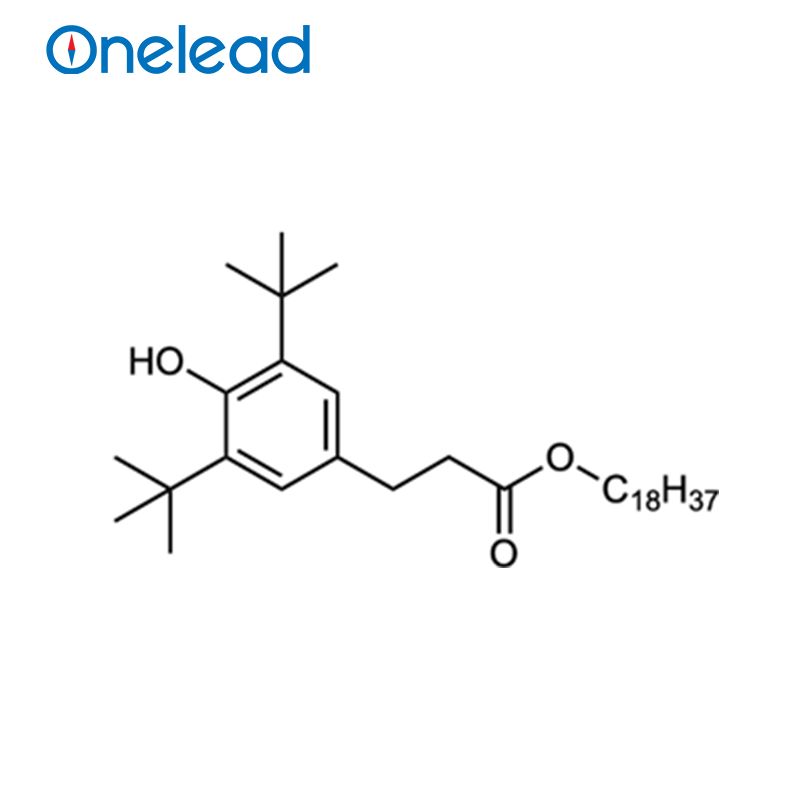
A Primary Antioxidant, also known as a chain-breaking antioxidant, directly neutralizes free radicals generated during oxidation.
By donating hydrogen atoms to unstable radicals, primary antioxidants stop the propagation phase of the oxidation cycle.
Primary antioxidants react with polymer radicals before they can attack neighboring molecules and create additional radicals.
This mechanism effectively slows down or terminates oxidative chain reactions.
The most widely used primary antioxidants include:
· Hindered phenolic antioxidants
· Aromatic amine antioxidants
Among these, hindered phenols are commonly used in plastics because they provide excellent thermal stability, low volatility, and broad polymer compatibility.
Key benefits include:
· Long-term thermal protection
· Improved color stability
· Enhanced mechanical property retention
· Extended product service life
· Effective performance at low dosage levels
However, primary antioxidants are less effective at controlling hydroperoxides generated during high-temperature processing.
Secondary antioxidants serve a complementary function by decomposing hydroperoxides into stable, non-radical compounds.
Rather than scavenging free radicals directly, they prevent hydroperoxides from generating new radicals that accelerate degradation.
During processing, heat and oxygen cause hydroperoxide accumulation within the polymer matrix.
Secondary antioxidants break down these unstable compounds before they initiate further oxidation.
Popular secondary antioxidants include:
· Phosphites
· Phosphonites
· Thioesters
These additives are particularly valuable in high-temperature manufacturing processes.
Their primary benefits include:
· Improved processing stability
· Reduced melt degradation
· Better color retention during manufacturing
· Lower viscosity changes
· Enhanced performance during multiple processing cycles
Secondary antioxidants alone generally do not provide sufficient long-term protection after processing.
Although both antioxidant types aim to prevent polymer degradation, they differ significantly in their mechanisms and applications.
· Primary Antioxidant: Neutralizes free radicals directly.
· Secondary Antioxidant: Decomposes hydroperoxides before they form new radicals.
· Primary Antioxidant: Provides long-term thermal stabilization.
· Secondary Antioxidant: Enhances processing stability.
· Primary Antioxidant: Long-term protection during product use.
· Secondary Antioxidant: Protection during extrusion, molding, and compounding.
· Primary Antioxidant: Hindered phenols and aromatic amines.
· Secondary Antioxidant: Phosphites, phosphonites, and thioesters.
· Primary Antioxidant: Effective but limited against hydroperoxides.
· Secondary Antioxidant: Effective during processing but limited for long-term stabilization.
In most plastic formulations, using primary and secondary antioxidants together produces superior results.
This synergistic approach addresses multiple stages of the oxidation process simultaneously.
Primary antioxidants stop free radical propagation, while secondary antioxidants eliminate hydroperoxides before they create additional radicals.
The benefits of combining both include:
· Enhanced thermal stability
· Improved processing efficiency
· Better color retention
· Reduced additive consumption
· Extended product lifespan
· Improved resistance to repeated recycling
This combination is commonly used in polyethylene, polypropylene, engineering plastics, elastomers, and wire and cable compounds.
Selecting the optimal antioxidant package depends on several factors:
Different polymers have unique stabilization requirements.
Temperature, residence time, and shear stress influence antioxidant performance.
Outdoor exposure, chemical contact, and service temperatures affect antioxidant selection.
Applications involving food contact, medical devices, or consumer products may require specific approvals.
Partnering with an experienced supplier ensures the best balance between performance, cost, and compliance.
As a reliable provider of advanced antioxidant technologies, Onelead offers comprehensive support for polymer manufacturers worldwide.
Our advantages include:
· Extensive portfolio of primary and secondary antioxidants
· Customized formulation recommendations
· Technical application expertise
· Consistent product quality
· Global supply capabilities
· Regulatory compliance support
Whether you need a high-performance Primary Antioxidant or a complete stabilization package, Onelead helps optimize polymer performance across a wide range of applications.
Primary and secondary antioxidants play distinct but complementary roles in polymer stabilization. While a Primary Antioxidant neutralizes free radicals to provide long-term protection, secondary antioxidants decompose hydroperoxides to improve processing stability.
Understanding these key differences enables manufacturers to design more effective antioxidant systems that enhance product quality, processing efficiency, and service life.
For the best results, many applications benefit from combining both antioxidant types. With expert guidance from Onelead, manufacturers can develop tailored solutions that deliver reliable, long-lasting performance.
Copyright:@2020-2021

Comments Please sign in or sign up to post.
0
0 of 500 characters used