
In the dynamic world of textiles, the role of knitted fabric manufacturers has become increasingly significant. As an industry that caters to a variety of markets, including fashion, healthcare, and sports, the production of high-quality knitted fabrics is crucial for meeting diverse consumer demands. For businesses, finding a reliable knitted fabric supplier can directly impact product quality and customer satisfaction. This article explores the intricacies of knitted fabrics, the testing processes before shipping, and the vital role that manufacturers play within the textile sector.
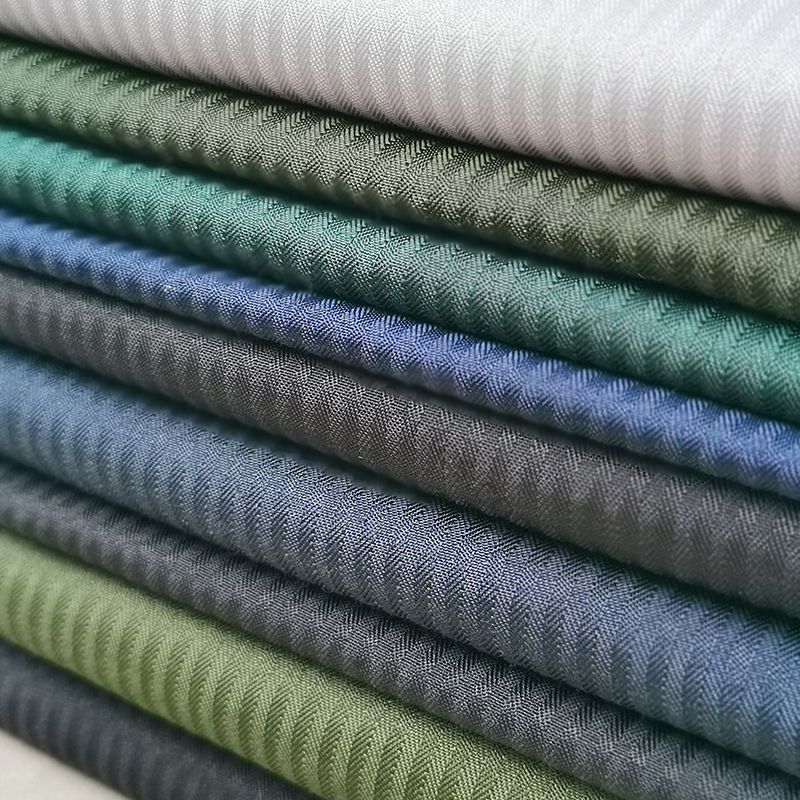
Knitted fabric is created through a series of interconnected loops of yarn, offering unique characteristics such as stretchability and softness. This differs from woven fabric, which is formed by interlacing two sets of threads at right angles. Industry professionals often refer to terminology including gauge, which measures the fabric's stitch density, and yarn count, which indicates the thickness of the yarn used.
Knitted fabrics find applications in numerous fields:
Fashion Industry: Apparel manufacturers favor knitted fabrics for their comfort and flexibility. Garments like sweaters, t-shirts, and activewear often utilize knit materials to enhance fit and performance.
Healthcare Sector: Hospitals and clinics use knitted fabrics for items like scrubs and patient gowns, as these materials offer breathability and ease of movement.
Sportswear: Sports brands depend on high-performance knitted fabrics for athletic gear to provide moisture-wicking properties and durability during intense physical activity.
Home Textiles: Knitted fabrics are used in blankets, upholstery, and other home goods, appealing to consumers who prioritize both aesthetics and comfort in their living spaces.
The importance of knitted fabric manufacturers can be attributed to several advantages:
Versatility: Proficient manufacturers can produce a diverse range of fabric types, catering to various industry needs. For instance, a manufacturer may provide everything from lightweight jersey knits for summer wear to heavy rib knits for winter garments.
Quality Assurance: Before shipping orders, reputable manufacturers conduct various tests to ensure quality. This may include stretch tests, colorfastness tests, and pilling tests, which help guarantee that the fabrics meet industry standards.
Innovation and Sustainability: Advanced knitted fabric manufacturers are adapting to sustainability trends by incorporating eco-friendly materials and processes. According to a recent study by Textile World, 60% of consumers prefer sustainable textiles, prompting manufacturers to innovate.
If you are considering sourcing knitted fabrics for your business, it's essential to conduct thorough research. Look for trusted knitted fabric manufacturers that prioritize quality testing and sustainability, like Tianruide. Reading user guides and product specifications will help ensure you make informed decisions and select fabrics that meet both your performance and design needs.
Previous: EMF Shielding Fabric Selection for Clothing vs Industrial Use
Next: Why Certifications Matter When Selecting a Knitted Fabric Manufacturer
Copyright:@2020-2021

Comments Please sign in or sign up to post.
0
0 of 500 characters used