
Polyvinyl Chloride (PVC) has long been used in children's toys, stickers, and educational products because of its affordability, flexibility, and vibrant printability. However, increasing concerns about chemical additives, recyclability, and environmental impact have led many countries and regions to introduce stricter regulations on PVC use in children's products.
For brands, importers, and every PVC Sticker Manufacturer, understanding these market restrictions is essential to ensure compliance, maintain consumer trust, and avoid costly product recalls.
This article explores which global markets impose limitations on PVC in children's toy materials and the reasons behind these regulations.
PVC itself is a stable polymer, but flexible PVC products often require additional chemicals to achieve the desired softness and performance.
These additives may include:
· Plasticizers
· Heat stabilizers
· Pigments
· Processing aids
Historically, some plasticizers—particularly certain phthalates—raised health concerns because they can migrate from products over time.
In addition to chemical considerations, PVC presents environmental challenges due to:
· Its chlorine content
· Complex recycling processes
· Potential emissions during manufacturing and disposal
· Limited compatibility with mixed recycling streams
As a result, regulators and consumers increasingly scrutinize PVC-based children's products.
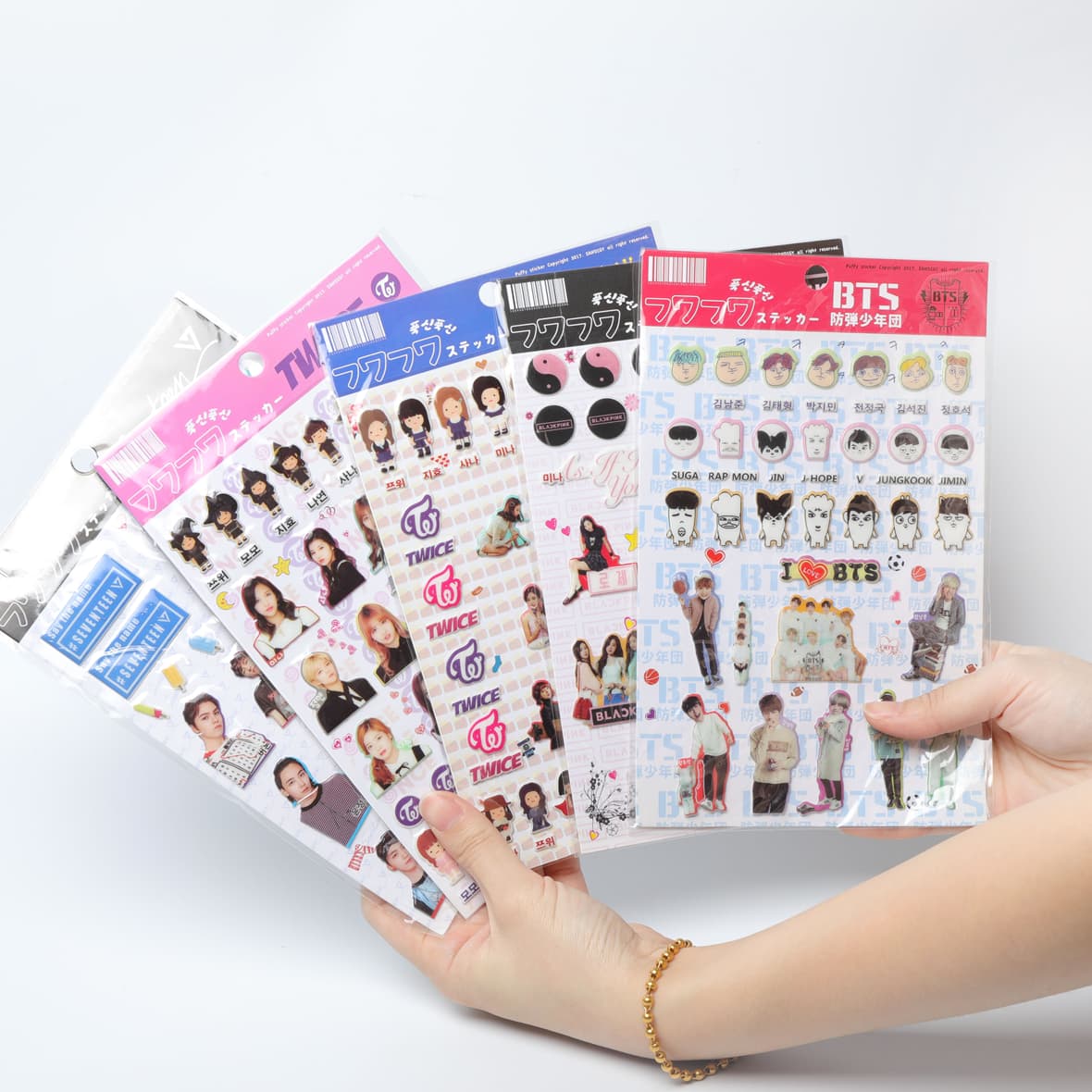
The European Union maintains some of the world's most comprehensive toy safety regulations.
The Registration, Evaluation, Authorisation and Restriction of Chemicals (REACH) framework restricts several phthalates commonly used in flexible PVC.
Restricted substances include:
· DEHP
· DBP
· BBP
· DIBP
These restrictions apply to toys and childcare articles intended for children.
The EU Toy Safety Directive establishes strict limits on hazardous substances, migration levels, and chemical exposure risks.
While the EU does not ban PVC entirely, manufacturers must ensure that PVC formulations comply with all applicable chemical restrictions.
As a result, many European brands prefer alternative materials such as TPE, silicone, or polypropylene.
In the United States, toy safety regulations are governed primarily by the U.S. Consumer Product Safety Commission under the Consumer Product Safety Improvement Act (CPSIA).
The CPSIA permanently restricts certain phthalates in children's toys and childcare articles.
Manufacturers must also comply with:
· Limits on lead content
· Third-party laboratory testing requirements
· Product tracking label regulations
PVC itself is not prohibited, but flexible PVC materials must meet strict chemical safety requirements.
For any PVC Sticker Manufacturer, compliance testing is critical before entering the U.S. market.
Canada regulates toys through the Health Canada and the Canada Consumer Product Safety Act.
The country restricts several phthalates in children's toys, particularly products intended for mouthing by young children.
Manufacturers must ensure that PVC components meet established migration limits and chemical safety standards.
Following Brexit, the United Kingdom retained many of the EU's toy safety requirements through the UK REACH framework and UK Toy Safety Regulations.
As a result, businesses exporting to the UK should expect standards similar to those in the European Union, including restrictions on specific phthalates used in PVC.
Japan enforces toy safety requirements through the Food Sanitation Act and voluntary ST Standards.
Certain phthalates are restricted in toys intended for infants and young children.
South Korea applies strict controls under the Korean Children's Products Safety Special Act.
Manufacturers must comply with limits on hazardous substances, including selected phthalates.
As a major manufacturing hub, China has strengthened toy safety standards in recent years.
Chinese regulations increasingly align with international chemical safety requirements, particularly for exported products.
Even in markets where PVC remains legal, many brands are voluntarily reducing its use due to changing consumer preferences.
Key factors driving this shift include:
Parents increasingly seek products labeled:
· Phthalate-free
· Non-toxic
· PVC-free
· Eco-friendly
Many companies have adopted environmental targets that encourage the use of materials with lower environmental impact.
Alternative materials such as TPE, silicone, and polypropylene are often easier to recycle than PVC.
Using safer, more sustainable materials can enhance brand image and build customer trust.
A successful PVC Sticker Manufacturer must stay informed about evolving regulations across global markets.
Key priorities include:
Ensure all formulations comply with regional restrictions on:
· Phthalates
· Heavy metals
· Restricted chemicals
Work with accredited laboratories to verify product safety.
Maintain documentation for all raw materials and additives.
Understand the unique requirements of each export destination.
As an experienced PVC Sticker Manufacturer, Stickadoo understands the importance of balancing product performance with regulatory compliance.
Stickadoo focuses on:
· Using compliant raw materials
· Monitoring global toy safety regulations
· Conducting rigorous quality testing
· Offering alternative material options such as TPE
· Supporting customers with documentation and certification needs
By maintaining high manufacturing standards, Stickadoo helps brands confidently enter international markets while meeting evolving consumer expectations.
Markets including the European Union, the United States, Canada, the United Kingdom, Japan, and South Korea all impose restrictions on specific chemicals commonly associated with flexible PVC in children's products.
Although PVC itself is not universally banned, regulations targeting phthalates and other additives continue to shape product development decisions worldwide.
For brands sourcing children's stickers and educational toys, partnering with a knowledgeable PVC Sticker Manufacturer like Stickadoo can help ensure regulatory compliance, product safety, and long-term market success.
Previous: Which materials are best for durable crossbody bags?
Next: Custom Shapes, Sizes & Prints: Tailoring Biodegradable Packaging to Your Brand
Copyright:@2020-2021

Comments Please sign in or sign up to post.
0
0 of 500 characters used