
The rapid growth of prefabricated construction has transformed the building industry by offering faster project completion, improved quality control, and greater sustainability. As demand for energy-efficient and fire-safe structures continues to rise, selecting the right insulation material has become increasingly important. One solution gaining widespread adoption in modern prefab construction is the Rock Wool Composite Board.
Combining excellent thermal insulation, fire resistance, sound absorption, and structural stability, Rock Wool Composite Boards have become a preferred choice for residential, commercial, and industrial prefabricated buildings. As a professional insulation material manufacturer, Huana provides high-performance Rock Wool Composite Board solutions designed to meet the demanding requirements of contemporary construction projects.
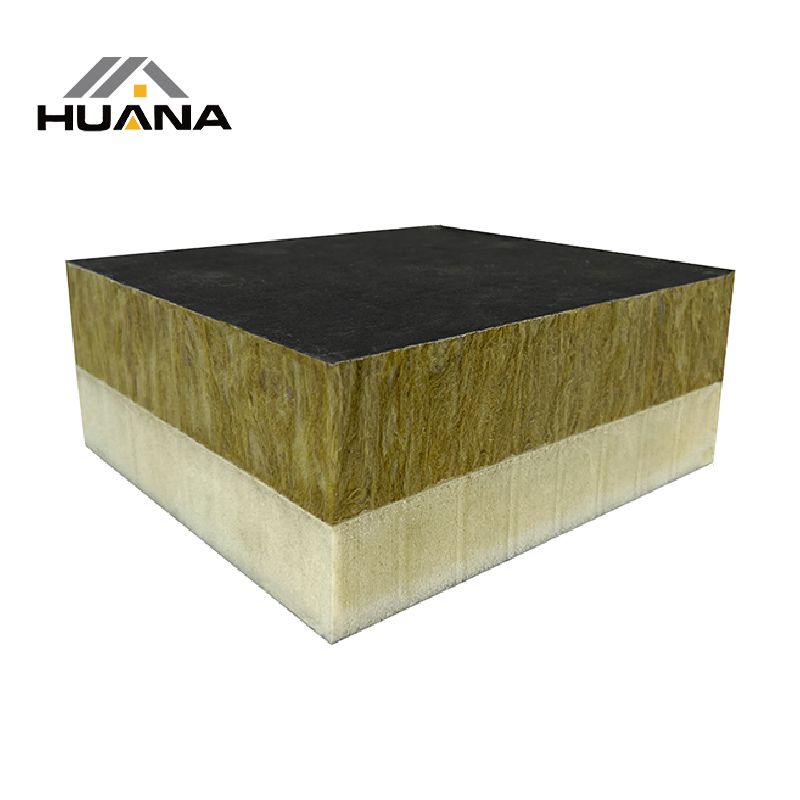
A Rock Wool Composite Board is an insulation panel that combines high-density rock wool with additional facing materials such as cement boards, metal panels, calcium silicate boards, or other structural layers. This composite design enhances both the mechanical strength and insulation performance of the board.
Rock wool itself is manufactured from natural basalt rock and other mineral materials that are melted and spun into fine fibers. The resulting insulation core offers outstanding thermal and acoustic properties while remaining non-combustible.
The composite structure allows the board to function as both an insulation layer and a building component, making it particularly suitable for prefabricated construction systems.
Prefabricated buildings are assembled from factory-manufactured components that are transported to the construction site for installation. While this method improves efficiency, it also requires materials that can provide multiple performance benefits within a single panel system.
Modern prefab buildings must achieve:
· High energy efficiency
· Fire safety compliance
· Structural durability
· Acoustic comfort
· Fast installation
· Long-term reliability
A Rock Wool Composite Board addresses all of these requirements, making it an ideal solution for modular and prefabricated construction projects.
One of the primary advantages of Rock Wool Composite Boards is their structural stability. The combination of a dense rock wool core and rigid facing materials creates a panel capable of maintaining its shape under various environmental conditions.
This enhanced strength helps prevent:
· Panel deformation
· Surface cracking
· Warping caused by temperature changes
· Damage during transportation and installation
For prefab buildings, maintaining dimensional accuracy is essential to ensure proper assembly and long-term performance.
Despite their excellent strength, Rock Wool Composite Boards remain relatively lightweight compared to traditional masonry or concrete wall systems.
Lightweight panels offer several benefits:
· Reduced transportation costs
· Faster installation
· Lower structural loads
· Improved construction efficiency
These advantages align perfectly with the goals of prefabricated building projects.
The composite design contributes to overall building stability by providing consistent support across wall and roof assemblies. The rigid panel structure helps maintain alignment and enhances the performance of building envelopes.
This makes Rock Wool Composite Boards suitable for:
· Exterior wall systems
· Interior partition walls
· Roof insulation assemblies
· Modular building components
Energy efficiency is one of the most important considerations in modern construction. A Rock Wool Composite Board offers low thermal conductivity, helping reduce heat transfer between indoor and outdoor environments.
This insulation performance provides:
· Lower heating costs during winter
· Reduced cooling expenses during summer
· Improved indoor comfort
· Enhanced building energy ratings
As energy regulations become stricter worldwide, high-performance insulation materials are becoming essential in prefab construction.
Thermal bridging occurs when heat passes through structural elements with poor insulation properties. Composite boards help minimize thermal bridges by creating a continuous insulation layer throughout the building envelope.
Reducing thermal bridging improves:
· Overall energy efficiency
· Temperature consistency
· Occupant comfort
· Moisture control
This contributes to the long-term performance of prefabricated structures.
Unlike some insulation materials that may degrade or shrink under changing temperatures, rock wool maintains its thermal properties across a wide operating range.
This stability ensures reliable performance in:
· Cold climates
· Hot environments
· Industrial facilities
· High-rise buildings
Fire safety is one of the most significant reasons why builders choose Rock Wool Composite Boards.
Rock wool is naturally non-combustible and can withstand extremely high temperatures without melting or releasing toxic smoke. This characteristic helps slow the spread of fire and improves evacuation safety.
Many building codes now require enhanced fire protection measures, especially in high-rise and commercial structures.
Rock Wool Composite Boards help architects and contractors meet fire safety requirements while maintaining excellent thermal performance.
For prefab buildings, integrating fire-resistant insulation into wall and roof panels simplifies compliance and improves overall building safety.
The fibrous structure of rock wool provides excellent sound absorption capabilities. This helps reduce the transmission of airborne noise between rooms and from external sources.
Applications that benefit from improved acoustic insulation include:
· Residential apartment buildings
· Hotels
· Schools
· Hospitals
· Office complexes
A quieter indoor environment enhances occupant comfort and productivity.
Rock wool is produced primarily from natural and recyclable materials. Many modern manufacturing processes also incorporate recycled content, reducing environmental impact.
Additional sustainability benefits include:
· Long service life
· Reduced energy consumption
· Recyclability
· Lower carbon footprint over the building lifecycle
These qualities support green building certifications and sustainable construction goals.
As a trusted insulation solutions provider, Huana manufactures premium Rock Wool Composite Boards designed for modern prefab construction.
Key advantages include:
· Excellent thermal insulation performance
· Superior fire resistance
· Strong structural stability
· Outstanding acoustic properties
· Durable and lightweight design
· Consistent manufacturing quality
Huana’s products help contractors, developers, and architects achieve high-performance building envelopes while improving construction efficiency.
The Rock Wool Composite Board has become an essential material in modern prefabricated construction due to its unique combination of structural strength, thermal efficiency, fire resistance, and acoustic performance. These advantages make it an ideal choice for residential, commercial, and industrial prefab buildings seeking long-term durability and energy savings.
By choosing high-quality insulation solutions from Huana, builders can create safer, more efficient, and more sustainable structures that meet the evolving demands of the construction industry.
Previous: Best Practices for Installing WPC Decorative Panels in Outdoor Spaces
Next: Advantages of Wood Veneer Panels Compared to Solid Wood
Copyright:@2020-2021

Comments Please sign in or sign up to post.
0
0 of 500 characters used