
Choosing the right drilling rig is a critical decision for mining companies seeking to maximize productivity, safety, and profitability. Whether operating in surface mines, quarries, tunnels, or underground mining environments, the performance of a drilling rig directly impacts drilling efficiency, operating costs, and project timelines.
With numerous rig types and configurations available, buyers must carefully evaluate technical specifications before making an investment. Working with an experienced Drilling Rigs Supplier can help mining operators select equipment that aligns with their geological conditions and production goals.
This guide explores the key specifications to consider when selecting a drilling rig for surface or underground mining applications.
Mining environments vary significantly in terms of rock hardness, drilling depth, tunnel dimensions, and production requirements. A drilling rig that performs well in one project may not be suitable for another.
Choosing the correct rig can provide:
· Higher penetration rates
· Lower operating costs
· Improved drilling accuracy
· Reduced equipment downtime
· Enhanced operator safety
· Longer equipment lifespan
Evaluating specifications carefully helps ensure optimal project performance.
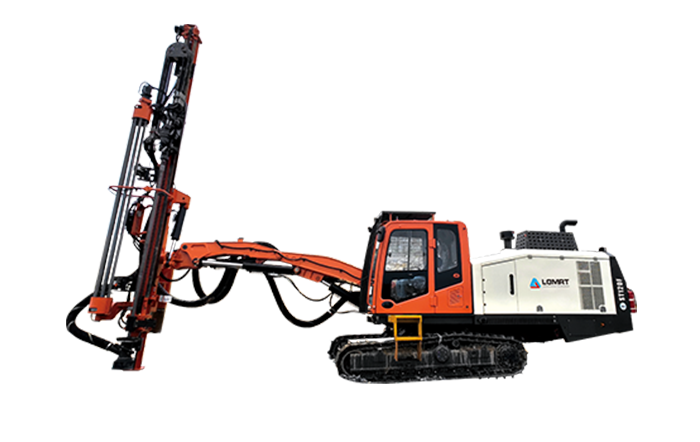
Top-hammer rigs use a percussion hammer mounted on the drill mast to transfer impact energy through drill rods.
Best suited for:
· Surface mining
· Quarry operations
· Medium-depth blast holes
· Medium-hard rock formations
Advantages include high drilling speed and excellent mobility.
DTH rigs position the hammer directly behind the drill bit.
Ideal for:
· Hard rock formations
· Deep-hole drilling
· Large-diameter blast holes
· Open-pit mining operations
DTH technology provides superior hole accuracy and energy efficiency in challenging conditions.
Underground mining operations often require specialized jumbo drilling rigs.
These machines are designed for:
· Tunnel excavation
· Development drilling
· Production drilling
· Underground infrastructure projects
Their compact design allows operation in restricted spaces.
One of the first specifications to evaluate is drilling depth capability.
Factors affecting depth requirements include:
· Mine design
· Bench height
· Geological conditions
· Production targets
Selecting a rig with insufficient depth capacity can limit operational flexibility and productivity.
Mining operations often expand over time.
Choosing a rig with additional depth capacity can provide:
· Greater versatility
· Longer service life
· Improved return on investment
Planning for future needs helps avoid costly equipment upgrades.
Hole diameter influences blasting efficiency, fragmentation quality, and production output.
Different applications require different borehole sizes.
For example:
· Small holes for exploration drilling
· Medium holes for quarry blasting
· Large holes for surface mining production
The drilling rig should support the required diameter range without compromising performance.
Larger hole diameters can reduce the number of holes required for blasting, improving operational efficiency.
However, larger holes may require:
· More powerful drilling systems
· Higher air compressor capacity
· Increased fuel consumption
Balancing these factors is essential.
Rock hardness significantly impacts drilling performance.
Common formations include:
· Soft sedimentary rock
· Limestone
· Sandstone
· Granite
· Basalt
· Quartzite
Different drilling technologies perform better in specific geological environments.
A rig's penetration rate directly affects productivity.
When comparing drilling rigs, evaluate:
· Performance in hard rock
· Drilling speed
· Energy efficiency
· Bit wear rates
This information helps determine long-term operating costs.
Engine power influences drilling efficiency and overall machine performance.
Higher power output generally supports:
· Faster drilling rates
· Larger hole diameters
· Greater drilling depth
· Improved performance in hard rock
However, excessive power may increase fuel consumption unnecessarily.
Modern mining rigs rely heavily on hydraulic systems.
Important considerations include:
· Hydraulic pressure
· Flow capacity
· Reliability
· Energy efficiency
A well-designed hydraulic system improves drilling precision and reduces maintenance requirements.
Surface mining operations often require rigs that can move efficiently between drilling locations.
Key mobility features include:
· Crawler-mounted systems
· High ground clearance
· Durable undercarriages
· Strong climbing ability
These capabilities improve productivity in rugged terrain.
Underground mines present unique space constraints.
Important specifications include:
· Machine dimensions
· Turning radius
· Boom reach
· Maneuverability
Compact designs are often essential for underground applications.
For DTH drilling rigs, air compressor performance is critical.
Compressed air is used to:
· Power the hammer
· Remove drill cuttings
· Maintain drilling efficiency
Insufficient air supply can significantly reduce productivity.
Evaluate:
· Airflow rate
· Working pressure
· Energy efficiency
· Reliability
Proper compressor sizing ensures consistent drilling performance.
Mining companies increasingly prioritize safety when selecting equipment.
Important features include:
· Emergency shutdown systems
· Rollover protection structures
· Dust suppression systems
· Remote-control capabilities
These technologies help reduce workplace risks.
Comfortable operators are typically more productive and less prone to fatigue.
Look for:
· Ergonomic controls
· Climate-controlled cabins
· Advanced monitoring systems
· Improved visibility
These features contribute to safer and more efficient operations.
Routine maintenance affects equipment uptime and operating costs.
Important considerations include:
· Access to service points
· Diagnostic systems
· Component availability
· Maintenance intervals
Machines designed for easy servicing typically deliver lower lifecycle costs.
Reliable spare parts support minimizes downtime and protects production schedules.
A reputable Drilling Rigs Supplier should provide comprehensive aftermarket support.
As a professional Drilling Rigs Supplier, Haichuang Unite offers a wide range of drilling solutions for surface mining, underground mining, quarrying, tunneling, and construction projects.
Key advantages include:
· Advanced drilling technologies
· Durable machine construction
· High-performance hydraulic systems
· Comprehensive technical support
· Customized equipment solutions
· Reliable spare parts service
These strengths help customers maximize productivity and long-term equipment value.
Selecting a drilling rig for surface or underground mining requires careful evaluation of multiple specifications, including drilling method, depth capacity, hole diameter range, rock hardness compatibility, hydraulic performance, mobility, safety features, and maintenance requirements.
By understanding these key factors and partnering with a trusted Drilling Rigs Supplier such as Haichuang Unite, mining companies can make informed purchasing decisions that improve operational efficiency, reduce costs, and support long-term project success. The right drilling rig is not simply an equipment purchase—it is a strategic investment in productivity and profitability.
Copyright:@2020-2021

Comments Please sign in or sign up to post.
0
0 of 500 characters used