
Selecting the right drilling equipment is a critical decision for any mining operation. The drilling method directly impacts productivity, fuel consumption, drilling accuracy, operating costs, and overall project profitability. Two of the most widely used technologies in surface mining and quarrying are Top-Hammer (TH) drilling rigs and Down-the-Hole (DTH) drilling rigs.
Each system offers unique advantages depending on rock hardness, hole diameter, drilling depth, and project requirements. Understanding the differences between these technologies can help mining companies choose the most efficient solution. Working with an experienced Drilling Rigs Supplier such as Haichuang Unite can further ensure the right equipment selection for specific geological conditions.
Top-hammer drilling uses a hydraulic or pneumatic hammer mounted on the drilling rig. The hammer generates percussive energy that is transmitted through drill rods to the drill bit.
In a top-hammer system:
· The hammer remains above ground.
· Impact energy travels through the drill string.
· The drill bit breaks the rock through repeated impacts.
· Rotation and feed pressure assist penetration.
This method is commonly used in mining, quarrying, tunneling, and construction projects.
Top-hammer drilling offers several benefits:
· High drilling speed in shallow to medium-depth holes
· Lower equipment investment
· Excellent mobility
· Faster setup and repositioning
· Lower fuel consumption for certain applications
These advantages make top-hammer rigs popular for production drilling and bench blasting operations.
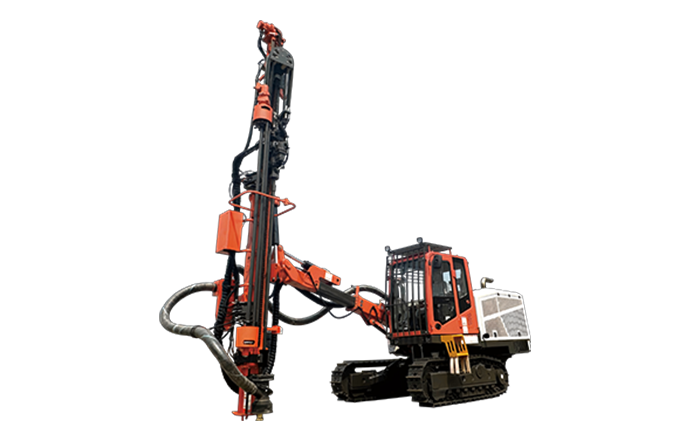
Down-the-Hole drilling places the hammer directly behind the drill bit at the bottom of the borehole.
In a DTH system:
· Compressed air powers the hammer.
· The hammer operates directly above the drill bit.
· Impact energy is delivered directly to the rock.
· Minimal energy is lost through the drill string.
This design allows highly efficient drilling in hard and abrasive formations.
DTH drilling systems provide:
· Superior penetration in hard rock
· Excellent hole straightness
· Reduced energy loss
· Greater drilling depth capability
· Consistent performance in demanding conditions
These characteristics make DTH rigs a preferred choice for large-scale mining projects.
Top-hammer rigs typically deliver faster drilling rates in:
· Soft rock
· Medium-hard rock
· Shallow blast holes
Because of their high percussion frequency, they can achieve excellent productivity in suitable formations.
DTH rigs generally outperform top-hammer systems when drilling:
· Hard rock
· Deep holes
· Large-diameter boreholes
Their direct energy transfer results in higher efficiency as drilling depth increases.
Hole straightness is critical in mining operations because inaccurate holes can negatively affect blasting results.
As drilling depth increases, energy loss and rod deviation may reduce hole accuracy.
This is generally not a major concern for shallow drilling applications.
DTH systems provide superior hole straightness because the hammer operates directly behind the bit.
Benefits include:
· Improved blasting precision
· Better fragmentation results
· Reduced overbreak
· More predictable mining performance
For deep-hole drilling, DTH technology often offers a significant advantage.
Top-hammer drilling is highly effective in:
· Limestone
· Sandstone
· Shale
· Weathered rock
Its fast penetration rates and lower operating costs make it an economical choice in these conditions.
DTH drilling performs exceptionally well in:
· Granite
· Basalt
· Quartzite
· Iron ore formations
The direct transfer of impact energy allows the system to maintain productivity even in extremely hard rock.
Top-hammer rigs are typically used for:
· Small to medium hole diameters
· Shallow and medium drilling depths
· Quarry blasting
· Construction applications
Their versatility makes them ideal for projects requiring frequent rig movement.
DTH rigs are often preferred for:
· Large-diameter blast holes
· Deep drilling operations
· Open-pit mining
· Infrastructure projects
The technology becomes increasingly efficient as hole depth increases.
Top-hammer systems often offer:
· Lower initial investment
· Reduced air compressor requirements
· Lower fuel consumption in certain applications
· Faster mobility between drilling locations
These factors can reduce overall project costs.
While DTH rigs may require:
· Larger compressors
· Higher initial equipment costs
· More air consumption
They often deliver superior productivity in hard rock, offsetting these expenses through improved drilling efficiency.
Your project involves:
· Soft to medium-hard formations
· Short to medium-depth holes
· Frequent rig relocation
· Cost-sensitive operations
· High mobility requirements
Top-hammer rigs often provide the most economical solution in these situations.
Your project requires:
· Deep-hole drilling
· Hard rock penetration
· High hole accuracy
· Large-diameter boreholes
· Maximum productivity in abrasive formations
DTH technology typically delivers better long-term performance under these conditions.
Every mining site presents unique geological and operational challenges. Selecting the wrong equipment can lead to:
· Reduced productivity
· Higher maintenance costs
· Increased fuel consumption
· Poor blasting results
An experienced Drilling Rigs Supplier can evaluate site conditions and recommend the most suitable drilling solution.
As a professional Drilling Rigs Supplier, Haichuang Unite offers advanced top-hammer and DTH drilling equipment for mining, quarrying, construction, and infrastructure projects.
Key advantages include:
· Reliable drilling technologies
· High-performance hydraulic systems
· Durable machine construction
· Comprehensive technical support
· Customized solutions for diverse geological conditions
These capabilities help customers maximize efficiency and reduce operating costs across a wide range of drilling applications.
Both top-hammer and Down-the-Hole drilling rigs have important roles in modern mining operations. Top-hammer systems excel in soft to medium-hard rock formations, offering speed, mobility, and cost efficiency. DTH rigs provide superior performance in hard rock, deep-hole drilling, and applications requiring exceptional hole accuracy.
The best choice depends on factors such as rock hardness, hole depth, borehole diameter, project scale, and operational objectives. By partnering with an experienced Drilling Rigs Supplier like Haichuang Unite, mining companies can confidently select the right drilling technology to improve productivity, reduce costs, and achieve successful project outcomes.
Previous: How Site Accessibility and Terrain Affect Drilling Rig Selection for Mining Operations
Next: What Are the Key Benefits of Rotary Blow Molding Machines?
Copyright:@2020-2021

Comments Please sign in or sign up to post.
0
0 of 500 characters used