
Selecting the right drilling rig is one of the most important decisions in mining, quarrying, construction, water well drilling, and geotechnical projects. The performance, efficiency, and operating costs of a drilling project largely depend on how well the drilling rig matches the rock hardness and geological formation conditions.
Different rock formations require different drilling technologies, and using the wrong equipment can lead to lower productivity, increased wear on drilling tools, and higher project costs. This guide explains how to match drilling rig types to specific rock hardness levels and formation conditions while helping buyers choose the right equipment from a trusted Drilling Rigs Supplier such as Haichuang Unite.
Before selecting a drilling rig, it is essential to understand the characteristics of the ground being drilled.
Several factors influence drilling performance:
· Rock hardness
· Formation stability
· Fracture density
· Groundwater conditions
· Abrasiveness
· Drilling depth requirements
A proper geological assessment helps determine the most suitable drilling method and equipment configuration.
Using an unsuitable drilling rig can result in:
· Slow penetration rates
· Excessive fuel consumption
· Increased bit wear
· Frequent downtime
· Higher maintenance costs
Matching the rig to site conditions improves both efficiency and profitability.
Soft formations typically include:
· Clay
· Sand
· Silt
· Weathered rock
· Loose sediments
These materials are relatively easy to drill but may present challenges related to borehole stability and groundwater intrusion.
Medium-hard formations often include:
· Limestone
· Shale
· Sandstone
· Dolomite
These rocks require more drilling power while maintaining efficient penetration rates.
Hard formations commonly include:
· Granite
· Basalt
· Quartzite
· Gneiss
These materials demand specialized drilling technologies capable of handling high compressive strength and abrasiveness.
Rotary drilling rigs are commonly used in soft and unconsolidated formations.
Advantages include:
· High drilling speed
· Efficient cuttings removal
· Cost-effective operation
· Suitable for water well drilling
Rotary rigs perform especially well in sandy and clay-rich environments.
When formations contain loose materials or groundwater, mud rotary drilling can stabilize the borehole.
Benefits include:
· Borehole wall support
· Improved drilling efficiency
· Reduced collapse risks
· Enhanced cuttings transport
This method is widely used in water well and geotechnical drilling applications.
Top hammer drilling rigs are highly effective in medium-hard rock conditions.
Key benefits include:
· Fast penetration rates
· Lower operating costs
· Excellent mobility
· Efficient blast hole drilling
These rigs are commonly used in:
· Quarry operations
· Construction projects
· Surface mining
Hydraulic rigs provide greater control and precision in variable formations.
They offer:
· Consistent drilling performance
· Improved energy efficiency
· Reduced operator fatigue
· Enhanced drilling accuracy
For many contractors, hydraulic rigs provide an ideal balance between productivity and versatility.
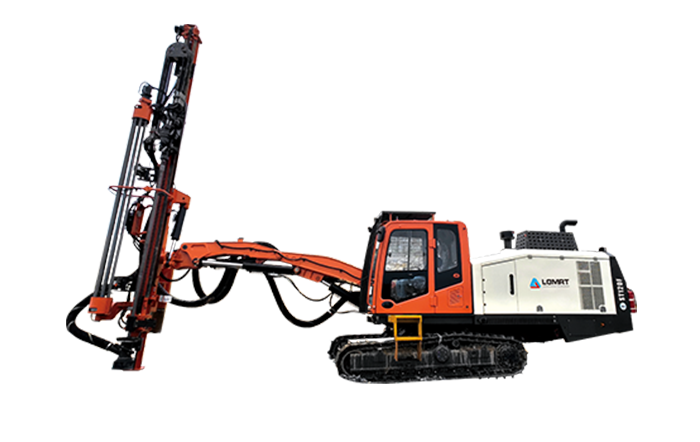
DTH drilling rigs are among the most effective solutions for hard rock formations.
The hammer operates directly behind the drill bit, delivering powerful impact energy to the rock.
Advantages include:
· High penetration rates
· Excellent hole straightness
· Reduced energy loss
· Superior performance in hard rock
DTH rigs are widely used in:
· Mining
· Quarrying
· Blast hole drilling
· Infrastructure projects
Crawler-mounted DTH rigs are ideal for challenging terrain and remote project locations.
Their benefits include:
· Excellent mobility
· Stable operation
· High drilling efficiency
· Adaptability to rough ground conditions
These features make them a preferred choice for large-scale drilling operations.
Highly fractured formations require drilling systems capable of maintaining hole stability.
Recommended solutions include:
· Hydraulic drilling rigs
· DTH rigs with casing systems
· Rotary rigs with stabilization equipment
Proper equipment selection reduces the risk of hole collapse and drilling interruptions.
Water-bearing formations can significantly impact drilling performance.
Important considerations include:
· Mud circulation systems
· Air drilling capabilities
· Casing advancement techniques
Choosing the correct rig configuration helps maintain productivity in wet conditions.
The required drilling depth strongly influences rig selection.
For example:
· Shallow holes may use compact portable rigs.
· Medium-depth projects often require hydraulic or top hammer rigs.
· Deep drilling applications typically benefit from high-capacity DTH or rotary rigs.
Projects located in remote or rugged terrain require equipment that can be transported and positioned efficiently.
Factors to consider include:
· Rig weight
· Transportation requirements
· Terrain conditions
· Setup time
Crawler-mounted rigs often provide the best combination of mobility and performance.
Choosing equipment involves more than simply selecting a drilling method.
A professional Drilling Rigs Supplier can help evaluate:
· Geological conditions
· Project objectives
· Productivity requirements
· Budget considerations
· Long-term operating costs
This expertise ensures optimal equipment selection and improved project outcomes.
As an experienced Drilling Rigs Supplier, Haichuang Unite provides advanced drilling solutions for mining, construction, water well, quarrying, and infrastructure projects.
Key advantages include:
· Comprehensive drilling rig portfolio
· Reliable hydraulic and DTH technologies
· Strong manufacturing quality standards
· Technical support and training
· Customized solutions for diverse geological conditions
These capabilities help customers maximize productivity while minimizing operational costs.
Matching drilling rig types to rock hardness and formation conditions is essential for achieving efficient, safe, and cost-effective drilling operations. Soft formations often benefit from rotary systems, medium-hard rocks are well suited to top hammer rigs, and hard rock environments typically require DTH drilling technology.
By carefully evaluating geological conditions, drilling depth, groundwater presence, and site accessibility, contractors can select equipment that delivers optimal performance. Working with an experienced Drilling Rigs Supplier such as Haichuang Unite further ensures access to the right equipment, expert guidance, and long-term operational success.
Copyright:@2020-2021

Comments Please sign in or sign up to post.
0
0 of 500 characters used