
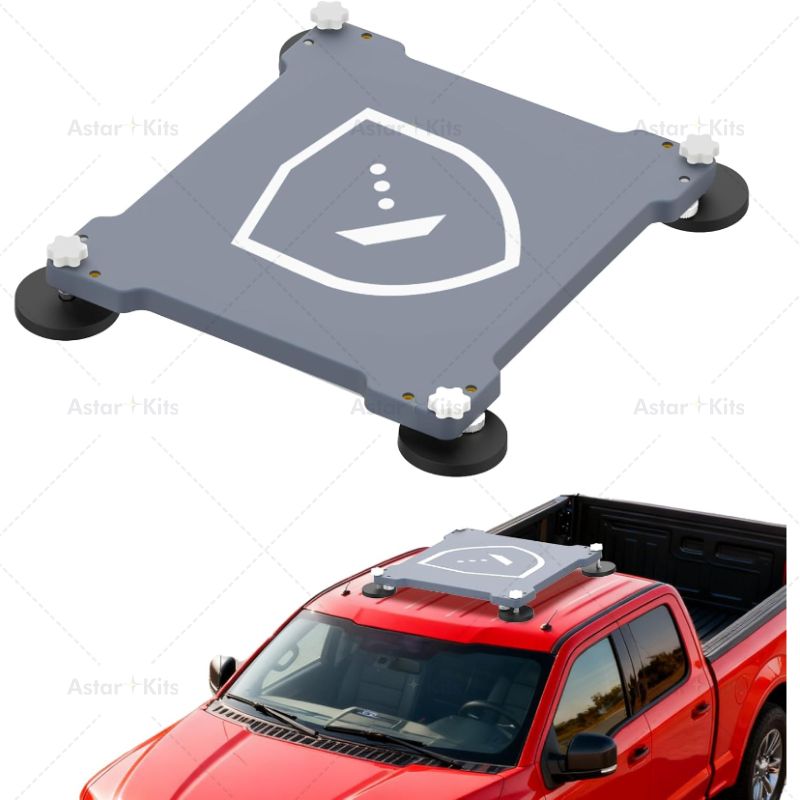
As satellite internet adoption expands into marine, coastal, and high-humidity regions, the demand for durable Starlink Mini Mounts have increased significantly. One of the most critical performance factors in these environments is corrosion resistance. Salt-laden air, moisture, and constant temperature fluctuations create harsh conditions that can quickly degrade poorly designed mounting systems.
For manufacturers like Astarkits, engineering corrosion-resistant solutions is essential for ensuring long-term reliability and structural integrity in coastal deployments.
This article explores why corrosion resistance matters, what materials and coatings are most effective, and what buyers in coastal markets now expect from professional-grade mounting systems.
Coastal environments are among the most challenging conditions for outdoor hardware. Unlike inland applications, salt particles in the air accelerate chemical reactions that lead to rust, oxidation, and material breakdown.
Salt is highly conductive and hygroscopic, meaning it attracts and retains moisture. This combination creates an ideal environment for corrosion.
For Starlink Mini Mounts, this can result in:
· Surface rust on metal components
· Fastener weakening over time
· Structural joint degradation
· Increased risk of mechanical failure
· Reduced service life of the entire system
Even high-strength materials can degrade quickly without proper protection.
Coastal regions often experience rapid shifts between warm daytime temperatures and cooler nights. These cycles cause:
· Expansion and contraction of materials
· Condensation buildup inside joints
· Accelerated coating breakdown
Over time, these effects compound the damage caused by salt exposure.
Understanding where corrosion begins helps engineers design better protective systems.
Bolts, screws, and joints are the most vulnerable areas because they often involve multiple materials in direct contact.
Common issues include:
· Galvanic corrosion between dissimilar metals
· Thread seizure due to oxidation
· Loss of tightening torque over time
Mounting arms and support brackets are exposed to continuous environmental stress.
Risks include:
· Surface pitting
· Coating flaking
· Micro-cracks that allow moisture penetration
The interface between the mount and vehicle or structure is another high-risk area.
Without proper sealing, moisture can accumulate and accelerate degradation from the inside out.
Material selection plays a central role in extending the lifespan of Starlink Mini Mounts in coastal environments.
One of the most widely used materials in coastal applications is marine-grade stainless steel.
It offers:
· Excellent resistance to salt corrosion
· High tensile strength
· Long-term structural stability
However, even stainless steel requires proper maintenance in extreme salt exposure zones.
Aluminum is popular due to its lightweight properties, but untreated aluminum can oxidize.
To improve durability, manufacturers use:
· Anodizing processes
· Protective oxide layers
· Sealed surface coatings
These treatments significantly improve resistance to coastal corrosion.
Advanced polymers are increasingly used in non-load-bearing components.
Advantages include:
· Zero rust potential
· High resistance to saltwater exposure
· Lightweight design benefits
Beyond base materials, coatings are essential for long-term corrosion prevention.
Powder coating is one of the most common protective methods for outdoor mounts.
Benefits include:
· Uniform surface coverage
· Strong adhesion to metal surfaces
· Resistance to UV and moisture exposure
Anodizing enhances the natural oxide layer on aluminum, creating a harder and more corrosion-resistant surface.
This process is especially effective in marine environments where salt exposure is constant.
High-performance Starlink Mini Mounts often combine multiple layers of protection:
· Base metal treatment
· Primer coating
· Final protective layer
This layered approach significantly extends product lifespan.
Corrosion resistance is not only about materials—it also depends on smart design.
Designers aim to reduce areas where water can accumulate by:
· Using drainage-friendly geometries
· Avoiding deep recesses
· Ensuring proper slope in structural components
To prevent galvanic corrosion, engineers use:
· Insulating washers
· Non-conductive spacers
· Protective gaskets
These barriers reduce electrochemical reactions between metals.
Sealed or encapsulated fasteners prevent saltwater intrusion into threaded areas, improving long-term reliability.
Customers purchasing Starlink Mini Mounts for coastal use have become more technically informed and selective.
Buyers increasingly request:
· Salt spray test results (ASTM B117 or equivalent)
· Environmental durability reports
· Material certification documents
Because coastal environments accelerate wear, buyers expect extended warranty coverage as a sign of product confidence.
Real-world validation is often more important than laboratory claims.
Common requirements include:
· Marine installation case studies
· Coastal RV usage data
· Offshore platform deployment experience
To meet the demands of coastal environments, Astarkits focuses on engineering Starlink Mini Mounts that combine corrosion-resistant materials, protective coatings, and robust structural design.
By integrating marine-grade components and multi-layer surface treatments, Astarkits ensures that its mounting systems can withstand long-term exposure to salt, humidity, and temperature fluctuations without compromising performance.
This approach helps users maintain stable satellite connectivity while reducing maintenance frequency and replacement costs.
Corrosion resistance is one of the most important factors influencing the performance and longevity of Starlink Mini Mounts in coastal markets. Salt exposure, humidity, and environmental cycling create significant challenges that require advanced materials, protective coatings, and intelligent engineering design.
As demand for reliable coastal connectivity continues to grow, manufacturers like Astarkits are prioritizing durability and environmental resilience to meet the expectations of both professional installers and end users.
Ultimately, corrosion-resistant design is not just an added feature—it is a fundamental requirement for ensuring long-term performance in harsh coastal conditions.
Copyright:@2020-2021

Comments Please sign in or sign up to post.
0
0 of 500 characters used