
As organizations, fleet operators, RV owners, and mobile professionals increasingly adopt Starlink Mini for reliable satellite connectivity, selecting the right mounting solution has become a critical procurement decision. While the Starlink Mini itself offers portability and high-speed internet access, its performance and durability depend heavily on the mounting system used in the field.
Among the most popular options for Starlink Mini Mounts are magnetic mounts and permanent mounts. Each offers distinct advantages and limitations that impact installation, operational efficiency, maintenance, and total cost of ownership.
This article explores the key procurement tradeoffs between magnetic and permanent mounting solutions to help buyers make informed deployment decisions.
A mounting system does more than simply hold a Starlink Mini dish in place. It directly influences:
· Signal reliability
· Equipment safety
· Installation efficiency
· Operational flexibility
· Long-term maintenance costs
For organizations deploying multiple Starlink Mini units across vehicles, RVs, mobile command centers, or remote worksites, the choice between magnetic and permanent mounts can significantly affect overall project success.
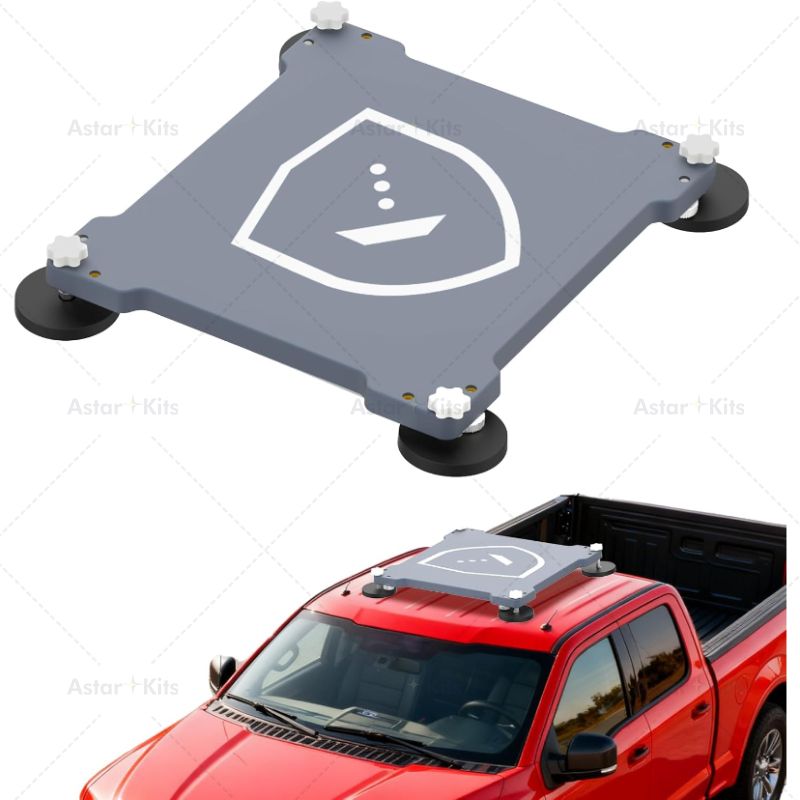
Magnetic mounts use high-strength magnets to attach the Starlink Mini securely to metal vehicle surfaces without drilling or permanent modifications.
Magnetic Starlink Mini Mounts typically offer:
· Tool-free installation
· Quick deployment
· Easy removal
· Reusable mounting capability
· Vehicle-friendly attachment
These characteristics make magnetic mounts attractive for temporary and mobile applications.
One of the biggest advantages of magnetic mounts is installation speed.
Users can often:
· Position the mount within minutes
· Avoid specialized tools
· Eliminate drilling requirements
· Relocate equipment quickly
For organizations managing multiple deployments, this can significantly reduce labor costs.
Magnetic mounts allow users to move Starlink Mini equipment between vehicles or locations with minimal effort.
This flexibility is particularly valuable for:
· Rental fleets
· Emergency response teams
· Temporary work sites
· Event management operations
Because no drilling is required, magnetic mounts help preserve vehicle integrity and resale value.
This benefit is especially important for leased vehicles and commercial fleet assets.
Magnetic systems generally require less installation labor, helping reduce upfront deployment expenses.
While modern magnetic mounts can provide impressive holding strength, they may not offer the same level of permanent attachment as fixed systems.
Extreme conditions such as:
· High-speed travel
· Severe weather
· Rough terrain
can place additional stress on magnetic mounting systems.
Magnetic mounts only work effectively on suitable metal surfaces. Vehicles made from aluminum, fiberglass, or composite materials may require alternative solutions.
Procurement teams should account for routine inspections to ensure magnets remain secure and surfaces remain free from debris that could affect holding performance.
Permanent mounts are fixed directly to a vehicle, RV, trailer, or structure using bolts, screws, brackets, or specialized mounting hardware.
These systems are designed for long-term installations where maximum stability is required.
Permanent Starlink Mini Mounts typically provide:
· Fixed positioning
· High structural strength
· Enhanced vibration resistance
· Long-term reliability
· Professional installation options
They are often selected for mission-critical connectivity applications.
Permanent mounts offer exceptional stability under demanding conditions.
This makes them ideal for:
· Fleet vehicles
· Utility trucks
· Mobile command centers
· Off-road vehicles
· Long-term RV installations
Properly installed permanent mounts can withstand significant vibration and environmental stress.
Because they are mechanically attached, permanent mounts provide greater protection against accidental displacement or theft.
This is especially important for valuable communication equipment operating in remote environments.
Permanent mounting systems maintain precise positioning over long periods, reducing the need for adjustments and maintenance.
Organizations deploying Starlink Mini systems across multiple vehicles often prefer permanent mounts because they offer standardized installation procedures and predictable performance.
Permanent installations usually require:
· Specialized tools
· Mounting hardware
· Professional labor
· Vehicle modifications
These factors can increase deployment costs.
Once installed, permanent mounts are difficult to relocate.
This may create challenges when:
· Replacing vehicles
· Upgrading equipment
· Changing deployment locations
Drilling and structural modifications may affect warranties, resale value, or future equipment configurations.
When evaluating Starlink Mini Mounts, procurement teams should consider more than the purchase price alone.
Factors affecting long-term cost include:
· Installation labor
· Maintenance requirements
· Equipment lifespan
· Vehicle modifications
· Replacement expenses
A lower-cost mount may not always provide the best overall value.
Organizations with rapidly changing operational requirements often benefit from magnetic mounts due to their flexibility.
Long-term deployments generally favor permanent mounting systems.
Deployment environments play a major role in mount selection.
· Temporary installations
· Light-duty travel
· Urban operations
· Mobile workforces
· Extreme weather environments
· Heavy-duty fleets
· Off-road operations
· Continuous deployment scenarios
Large organizations should evaluate how easily a mounting solution can be standardized across different vehicle types and deployment locations.
Buyer preferences vary based on operational needs.
· Fast deployment
· Portability
· Vehicle protection
· Installation simplicity
· Lower setup costs
· Long-term stability
· Maximum security
· Professional appearance
· Reliability in demanding environments
· Reduced movement during travel
Neither option is universally superior; the best choice depends on the intended application.
The ideal mounting system should align with operational objectives, environmental conditions, and budget considerations.
Organizations seeking flexibility and rapid deployment often find magnetic mounts highly attractive. Meanwhile, businesses requiring continuous connectivity and maximum durability frequently choose permanent mounting systems.
Manufacturers such as Astarkits offer a variety of Starlink Mini Mounts designed to support different deployment scenarios, helping users balance portability, stability, and long-term performance.
The decision between magnetic and permanent Starlink Mini Mounts involves several important procurement tradeoffs. Magnetic mounts provide outstanding flexibility, easy installation, and lower initial costs, making them ideal for temporary and mobile deployments. Permanent mounts deliver superior stability, security, and long-term reliability for mission-critical applications.
By evaluating deployment frequency, environmental conditions, installation requirements, and total cost of ownership, buyers can select the mounting solution that best supports their operational goals. A well-chosen mount not only protects Starlink Mini equipment but also ensures consistent connectivity and long-term deployment success.
Copyright:@2020-2021

Comments Please sign in or sign up to post.
0
0 of 500 characters used