
Compressed air is often referred to as the “fourth utility” in industrial operations, powering everything from pneumatic tools to automated production lines. However, one common issue that many facility managers and maintenance engineers encounter is the presence of oil in compressed air output. Oil contamination can reduce equipment efficiency, damage sensitive machinery, and compromise product quality in industries such as food processing, pharmaceuticals, electronics, and manufacturing.
Understanding why oil appears in compressed air systems and how components like a compressor oil mist filter element and air compressor filter element can help solve the problem is essential for maintaining clean and reliable compressed air. As a trusted filtration manufacturer, ZHUAN LV provides high-performance filtration solutions designed to improve air quality and protect industrial equipment.
Most rotary screw air compressors use lubricating oil to cool, seal, and lubricate internal components. During operation, a small amount of oil can become mixed with the compressed air stream.
Normally, filtration systems remove this oil before the air reaches downstream equipment. However, when filtration components fail or operating conditions change, oil contamination can increase significantly.
Common signs of oil contamination include:
· Oily residue on pneumatic equipment
· Oil stains around air outlets
· Product contamination
· Increased maintenance requirements
· Reduced air quality compliance
Identifying the source of contamination is the first step toward solving the problem.
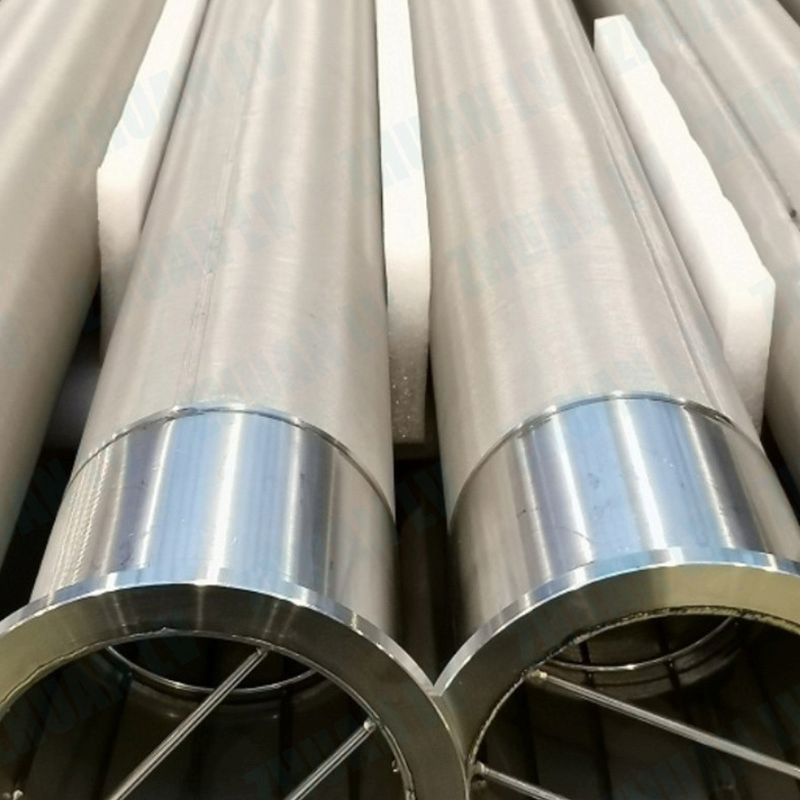
Oil carryover occurs when lubricating oil escapes from the compressor’s separation system and enters the compressed air stream.
Small amounts of oil vapor are normal in oil-lubricated compressors, but excessive oil carryover indicates a system problem.
Potential causes include:
· Worn oil separator elements
· Excessive oil levels
· High operating temperatures
· Incorrect compressor operation
When oil carryover increases, downstream filtration becomes even more important.
The compressor oil mist filter element plays a critical role in removing fine oil aerosols from compressed air.
Over time, the filter media may become:
· Saturated with contaminants
· Physically damaged
· Clogged by dirt or carbon deposits
· Less effective due to aging
When the filter element loses efficiency, oil mist passes through the system and appears in the compressed air output.
Regular inspection and replacement of the compressor oil mist filter element can significantly reduce oil contamination and improve air quality.
An air compressor filter element is designed to remove dust, dirt, and other airborne contaminants before they enter the compressor.
When the filter becomes clogged, airflow restrictions may occur, leading to:
· Increased compressor workload
· Higher operating temperatures
· Reduced filtration efficiency
· Greater oil carryover
Damaged filters can also allow contaminants to enter the compressor, accelerating wear on internal components.
To maintain system performance:
· Inspect air compressor filter elements regularly
· Replace filters according to maintenance schedules
· Use high-quality replacement elements
· Monitor pressure drop across filters
ZHUAN LV manufactures durable air compressor filter elements designed for long service life and reliable filtration performance.
Many operators mistakenly believe that adding extra oil improves compressor performance. In reality, overfilling the compressor can increase oil carryover.
Excess oil may:
· Reach the air stream more easily
· Overload separator systems
· Increase oil consumption
· Cause filtration inefficiencies
Always maintain oil levels within the manufacturer’s recommended range. Regular inspections help prevent overfilling and reduce contamination risks.
The oil separator is responsible for removing most of the oil from compressed air before it leaves the compressor package.
If the separator element becomes damaged or clogged, oil removal efficiency decreases dramatically.
· Increased oil consumption
· Visible oil in compressed air
· Higher differential pressure
· Reduced compressor efficiency
Replace worn separator elements promptly and use high-quality filtration products to maintain system performance.
Elevated compressor temperatures can cause lubricating oil to vaporize more easily. Oil vapor is more difficult to remove than liquid oil droplets, increasing contamination levels in compressed air.
Common causes of overheating include:
· Dirty coolers
· Poor ventilation
· Blocked filters
· Insufficient maintenance
· Clean cooling systems regularly
· Ensure adequate airflow around compressors
· Monitor operating temperatures
· Replace clogged filtration components
Proper temperature control helps reduce oil vapor formation.
Compressors that operate outside their recommended pressure or flow ranges may experience increased oil carryover.
Examples include:
· Excessive system demand
· Frequent start-stop cycles
· Improper pressure settings
· Undersized equipment
Optimize compressor operation according to manufacturer specifications to improve efficiency and reduce contamination.
A high-quality compressor oil mist filter element provides:
· Efficient oil aerosol removal
· Cleaner compressed air
· Reduced equipment wear
· Improved product quality
· Lower maintenance costs
A reliable air compressor filter element helps:
· Protect compressor internals
· Improve airflow efficiency
· Extend equipment lifespan
· Reduce operating costs
· Support consistent system performance
Together, these filtration components form a comprehensive defense against contamination.
When selecting filtration products, consider:
Choose filter elements capable of capturing fine oil droplets and particulate contaminants.
Long-lasting filter media reduce replacement frequency and maintenance costs.
Ensure that replacement elements meet compressor specifications and operating conditions.
ZHUAN LV offers a wide range of compressor oil mist filter elements and air compressor filter elements designed to deliver exceptional filtration performance across various industrial applications.
Oil in compressed air output is often caused by worn filtration components, excessive oil levels, faulty separator elements, high operating temperatures, or improper compressor operation. Left unaddressed, oil contamination can damage equipment, reduce productivity, and compromise product quality.
By regularly inspecting and replacing compressor oil mist filter elements and air compressor filter elements, facilities can significantly improve compressed air quality and system reliability.
As a professional filtration manufacturer, ZHUAN LV provides high-performance filtration solutions that help industrial users maintain cleaner compressed air, protect valuable equipment, and achieve more efficient operations.
Previous: What Is a Worm Gearbox and Why Is It Used in Industrial Machinery?
Next: What Is an Electro-Pneumatic Actuator and What Are Its Benefits?
Copyright:@2020-2021

Comments Please sign in or sign up to post.
0
0 of 500 characters used