
When it comes to advanced testing environments, engineers often face challenges surrounding precision power delivery and effective energy management. The Bidirectional DC Power Supply serves as a pivotal solution, enabling both sourcing and absorbing current, thus allowing for versatile testing conditions. Users frequently express frustration over testing protocols that require consistent and reliable voltage and current outputs—issues that can delay projects and waste resources. With a Bidirectional DC Power Supply from Qingdu, engineers can tackle these pain points effectively, resulting in a reduction of test cycle times by up to 25%.
Before diving into the steps to effectively use a Bidirectional DC Power Supply, it’s crucial to lay out the necessary preparation:
Materials Needed:
Qingdu Bidirectional DC Power Supply
Test load such as resistors or electronic devices
Cables with appropriate voltage ratings
Multimeter for monitoring voltage and current
Tools:
Computer with software for data logging
Oscilloscope for waveform analysis
Prerequisites:
Understanding of basic electrical engineering principles
Familiarity with the specifications of the DC power supply being used
Now that you have prepared your materials and tools, here’s a step-by-step guide to using a Bidirectional DC Power Supply effectively:
Step 1: Setup Your Workstation - Find a stable surface that can accommodate your equipment, and ensure good ventilation.
Step 2: Connect the Power Supply - Attach your cables from the Bidirectional DC Power Supply to your test load, ensuring proper polarity to avoid damage.
Step 3: Configure Output Settings - Using the control panel, set the output voltage and current based on your test requirements. A common setting might be 10V at 1A for a preliminary resistance test.
Step 4: Monitor Current Flow - Use a multimeter to measure the current flowing through the circuit, ensuring it aligns with your output settings. A monitoring error can lead to inaccurate test results.
Step 5: Test Absorption Mode - Switch to absorption mode to analyze how the load dissipates power. Make note of how the Bidirectional DC Power Supply can rapidly absorb excess current, effectively preventing damage to sensitive components.
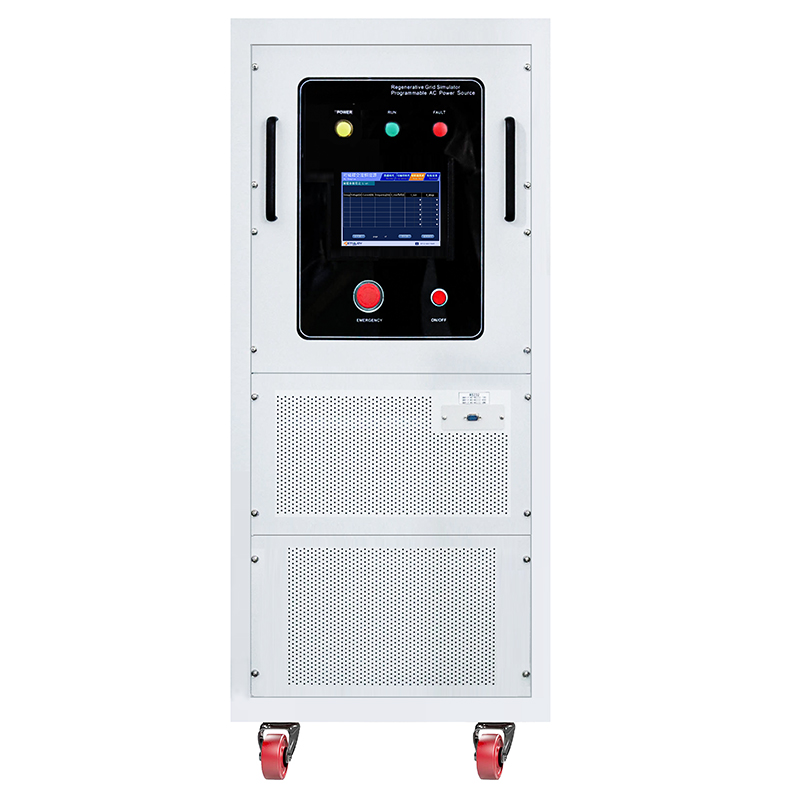
Step 6: Data Logging - Install software on your computer that logs the voltage and current over time for analysis. A simple logger may help visualize real-time data.
Step 7: Review and Record Results - After completing your tests, review results for accuracy. You may find that test results can be replicated with a variance of less than 5% if all setup conditions are adhered to.
While working with a Bidirectional DC Power Supply, users may encounter some common errors:
Incorrect Settings: Double-check the voltage and current settings. Relying on presets can lead to unexpected results.
Connection Issues: Ensure cables are securely fastened. Loose connections can cause fluctuations in performance.
Data Logging Errors: Verify the compatibility of your software with the power supply. Mislabeled channels or missed recordings can complicate analysis.
The Bidirectional DC Power Supply is an essential tool for advanced testing, reducing the complexities of power sourcing and absorption. Many engineers, such as Michael from a tech startup, have successfully reduced their project timelines by 20% by incorporating a Qingdu model into their testing protocols. By addressing preparation, methodical testing, and avoiding common pitfalls, users can maximize the utility of their power supplies. Ensure that you continuously log and analyze your data to refine testing procedures, thus enhancing your overall efficiency. Remember, the key to effective advanced testing lies in precision and adaptability offered by tools like the Bidirectional DC Power Supply.
A: When choosing a Bidirectional DC Power Supply, consider the output voltage and current ratings, as well as compatibility with your test loads. It's also important to ensure that it has features like absorption mode for effective energy management.
A: Yes, the Qingdu Bidirectional DC Power Supply is designed for advanced testing environments and can provide precision power delivery, helping to reduce test cycle times and improve overall efficiency.
A: Applications that require precise current sourcing and absorbing, such as testing electronic devices or conducting resistance tests, significantly benefit from using a Bidirectional DC Power Supply.
A: By effectively sourcing and absorbing current, the Bidirectional DC Power Supply addresses common challenges in testing protocols, resulting in reduced project timelines and increased efficiency.
A: Qingdu offers expert guidance and detailed product specifications to help you select the right Bidirectional DC Power Supply for your specific testing requirements, ensuring you make an informed purchasing decision.
Previous: A Complete Guide to Robotic Welding Machine: Types, Benefits, And Limitations
Next: Difference Between an AC Grid Simulator and a Variable Frequency AC Power Supply for Testing
Copyright:@2020-2021

Comments Please sign in or sign up to post.
0
0 of 500 characters used