
Sustainability has become a major consideration in modern construction and industrial manufacturing. As governments and businesses focus on reducing carbon emissions and improving energy efficiency, insulation materials are receiving greater attention for their environmental impact throughout the production lifecycle.
Among the most commonly used insulation materials are rock wool and glass wool. Both offer strong thermal and acoustic insulation performance, but their manufacturing processes, raw materials, recyclability, and energy consumption differ significantly. Choosing the more sustainable option depends on multiple environmental factors rather than a single measurement.
As a professional Thermal Insulation Manufacturer, Huana provides advanced insulation solutions designed to support both building performance and environmental responsibility. This article compares the sustainability of rock wool and glass wool manufacturing to help businesses make informed insulation decisions.
Insulation materials play an important role in reducing building energy consumption. However, the environmental impact of manufacturing these materials must also be considered.
Key sustainability concerns include:
· Raw material sourcing
· Manufacturing energy consumption
· Carbon emissions
· Recyclability
· Waste generation
· Product lifespan
A sustainable insulation material should balance production impact with long-term energy-saving benefits.
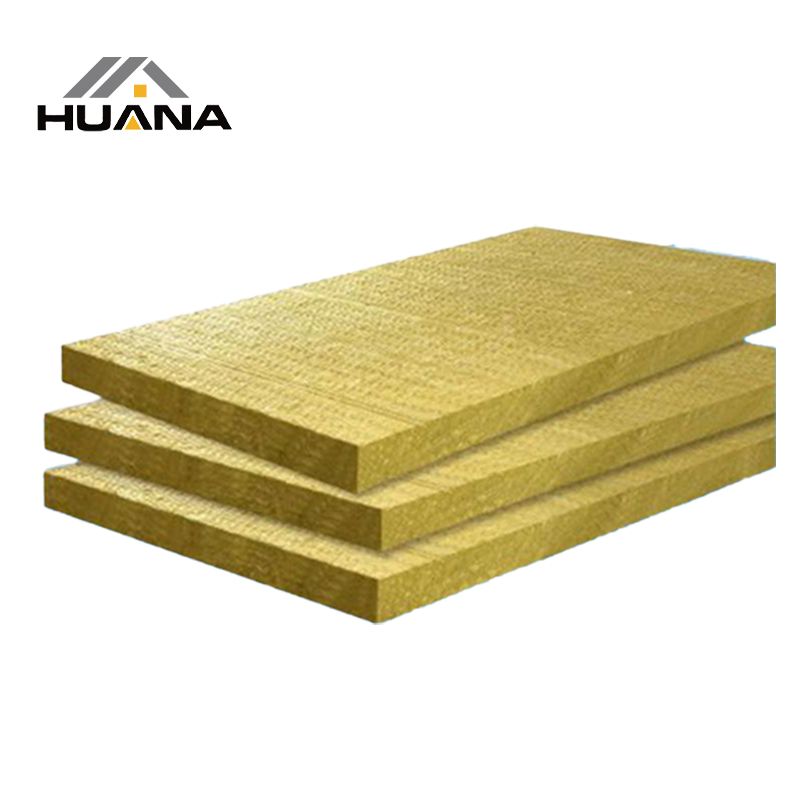
Rock wool is produced by melting volcanic rock and industrial minerals at extremely high temperatures and spinning the molten material into fibers.
Rock wool is primarily made from:
· Basalt rock
· Diabase
· Limestone
· Recycled slag from industrial processes
The use of natural and recycled mineral materials contributes to resource efficiency.
Rock materials are widely available and abundant in many regions, reducing concerns about resource scarcity.
The manufacturing process requires very high temperatures, often exceeding 1400°C.
High-temperature melting results in:
· Significant energy usage
· Increased carbon emissions
· Large industrial furnace requirements
Because of the energy-intensive process, rock wool production may have a higher initial environmental footprint.
However, modern manufacturing technologies are helping improve efficiency and reduce emissions.
Glass wool is produced by melting recycled glass and silica sand into fine fibers.
One major environmental advantage of glass wool is the use of recycled glass.
· Recycled glass bottles
· Industrial glass waste
· Silica sand
· Soda ash
Many manufacturers use high percentages of recycled materials, helping reduce landfill waste.
Glass wool also requires high-temperature melting, though production temperatures are often lower than rock wool manufacturing.
Lower melting temperatures may help reduce:
· Energy consumption
· Production emissions
· Manufacturing costs
For this reason, glass wool is often considered more energy-efficient during production.
Carbon emissions are a major factor when evaluating sustainability.
The high-density structure and high-temperature manufacturing process of rock wool can increase carbon emissions during production.
· Furnace fuel type
· Electricity source
· Transportation distance
· Material density
However, rock wool’s long lifespan and durability may offset some environmental costs over time.
Glass wool generally has lower production emissions due to:
· Higher recycled material content
· Lower production temperatures
· Lightweight structure
Its lighter weight also reduces transportation-related emissions.
From a manufacturing perspective, glass wool may offer a lower initial carbon footprint.
Recyclability is another key sustainability indicator.
Rock wool can often be recycled into new insulation products or reused in industrial applications.
Due to its dense mineral composition, recycling systems may require specialized processing facilities.
Glass wool also supports recycling, especially when produced with recycled glass content.
· Reduced raw material demand
· Lower landfill waste
· Circular production opportunities
Both materials can contribute to sustainable building practices when proper recycling systems are available.
Long product lifespan improves environmental sustainability by reducing replacement frequency.
Rock wool offers excellent resistance to:
· Fire
· Moisture
· Compression
· Temperature fluctuations
Its durability can extend insulation lifespan for decades, reducing long-term material consumption.
Glass wool also provides strong thermal performance but may be more sensitive to:
· Moisture exposure
· Compression damage
· Structural movement
Proper installation is essential to maintain long-term performance.
As a reliable Thermal Insulation Manufacturer, Huana emphasizes high-quality production standards to improve product longevity and environmental value.
Fire safety also affects sustainability because fire-resistant buildings reduce material loss and reconstruction waste.
Rock wool is naturally non-combustible and highly heat resistant.
· Improved building safety
· Reduced fire damage risk
· Longer structural lifespan
Glass wool also provides good fire resistance, though rock wool generally performs better under extreme temperatures.
For projects requiring maximum fire protection, rock wool may provide better long-term environmental value despite higher manufacturing energy use.
Transportation emissions contribute to total environmental impact.
Due to higher density, rock wool may require:
· More fuel for shipping
· Higher transportation costs
· Increased logistics emissions
The lightweight structure of glass wool reduces shipping weight and transportation-related carbon emissions.
For large-scale projects, logistics efficiency may significantly affect sustainability calculations.
The answer depends on which sustainability factors are prioritized.
· Excellent durability
· Superior fire resistance
· Long service life
· Strong industrial performance
· Higher recycled content
· Lower production temperatures
· Reduced transportation emissions
· Lower manufacturing carbon footprint
In many cases, glass wool may appear more sustainable during manufacturing, while rock wool may provide stronger long-term durability and fire safety benefits.
Huana provides environmentally responsible insulation solutions for commercial and industrial applications.
Key advantages include:
· High-quality insulation materials
· Advanced production technology
· Energy-efficient manufacturing processes
· Customized insulation solutions
· Long-term performance reliability
Huana helps clients select insulation systems that support both operational efficiency and sustainability goals.
Both rock wool and glass wool offer important sustainability advantages, but their environmental impacts differ across manufacturing, transportation, durability, and lifecycle performance. Glass wool generally has lower initial production emissions and higher recycled content, while rock wool offers superior durability and fire resistance that may improve long-term sustainability.
Choosing the right insulation material depends on project priorities, environmental goals, and performance requirements. As an experienced Thermal Insulation Manufacturer, Huana delivers high-quality insulation solutions designed to balance energy efficiency, durability, and environmental responsibility for modern construction and industrial applications.
Previous: Key Applications of Aluminum Extrusion Profiles Explained
Next: What Are Wood Veneer Panels and How Are They Manufactured?
Copyright:@2020-2021

Comments Please sign in or sign up to post.
0
0 of 500 characters used