
An asphalt water bath is an essential piece of Asphalt Testing Equipment used in laboratories to determine the properties of asphalt materials under controlled temperature conditions. It is commonly applied in tests such as ductility, softening point, and sample conditioning. To ensure reliable and repeatable results, proper maintenance of the water bath is critical.
As a professional manufacturer of testing instruments, HBJF emphasizes that consistent maintenance not only improves measurement accuracy but also extends equipment lifespan and reduces laboratory downtime. This article explains the key maintenance practices required to keep an asphalt water bath operating at peak accuracy.
The accuracy of asphalt testing depends heavily on temperature stability, water cleanliness, and equipment calibration. Even small issues can lead to significant deviations in test results.
Poor maintenance can result in:
· Inaccurate temperature control
· Uneven heating distribution
· Contaminated test samples
· Sensor malfunction
· Reduced equipment lifespan
Regular maintenance ensures that Asphalt Testing Equipment performs consistently and meets laboratory standards.
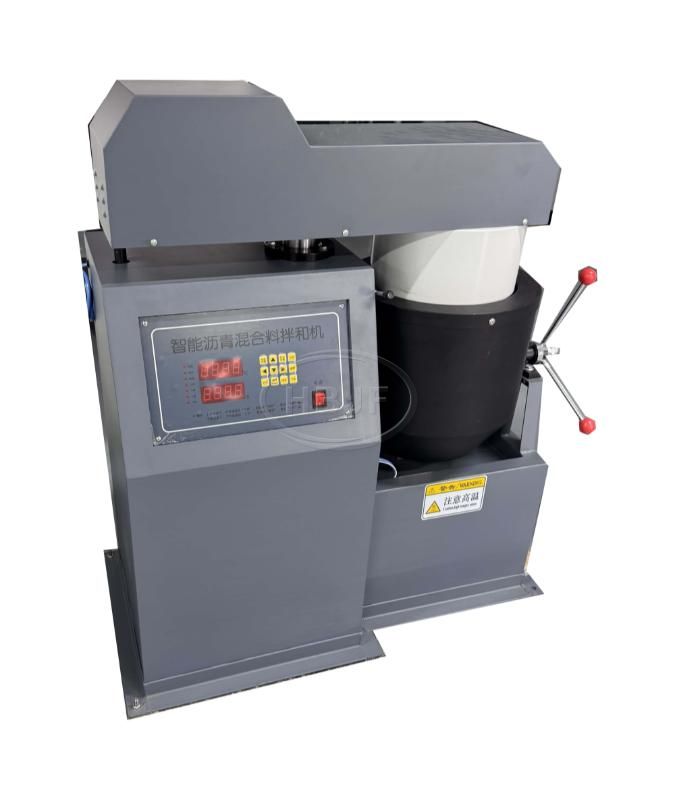
Routine cleaning is the first and most important step in maintaining a water bath.
After testing, the water bath may contain asphalt residues, dust, or chemical deposits.
· Drain and replace water regularly
· Wipe internal surfaces with a soft cloth
· Remove any floating debris
· Clean sample holders and trays
Keeping the bath clean prevents contamination and improves test reliability.
Tap water often contains minerals that accumulate over time.
· Use distilled or deionized water
· Clean the tank regularly
· Avoid leaving water stagnant for long periods
Scale buildup can affect heating efficiency and sensor accuracy.
Temperature stability is the core function of an asphalt water bath.
Sensors are responsible for maintaining precise thermal control.
· Calibrate sensors periodically
· Check for corrosion or damage
· Ensure proper sensor placement
Faulty sensors can lead to incorrect test results even if the system appears functional.
Heating components must operate evenly to maintain stable water temperature.
· Uneven heating
· Slow temperature rise
· Unexpected fluctuations
If any of these occur, heating elements should be inspected or replaced.
Calibration is one of the most important maintenance tasks for Asphalt Testing Equipment.
Over time, temperature readings may drift due to wear and environmental conditions.
· Use certified reference thermometers
· Perform periodic verification tests
· Adjust system settings according to standard values
Regular calibration ensures that test results remain consistent and compliant with laboratory standards.
Water quality directly impacts the performance of asphalt water baths.
Distilled or deionized water is strongly recommended.
Stagnant water can lead to:
· Bacterial growth
· Mineral deposits
· Odor and contamination
Low water levels can expose heating elements and cause equipment damage.
The electrical system ensures stable operation of the water bath.
Loose or damaged wiring can cause:
· Power failure
· Temperature instability
· Safety risks
Ensure all buttons, displays, and indicators function properly.
· Ensure proper grounding
· Avoid water leakage near electrical components
· Check circuit protection systems
Some advanced asphalt water baths include circulation systems for uniform temperature distribution.
· Clean circulation pumps
· Check flow consistency
· Remove blockages in pipes
Proper circulation ensures even heating throughout the bath.
A structured maintenance schedule helps extend equipment life.
· Clean tank surface
· Check water level
· Observe temperature stability
· Replace or filter water
· Inspect sensors and heating performance
· Clean accessories
· Perform calibration checks
· Inspect electrical components
· Review system performance logs
Following a schedule ensures consistent performance of Asphalt Testing Equipment.
Neglecting maintenance can lead to several operational issues.
Fluctuating temperatures can invalidate test results.
Dirty water or residue can affect material properties.
Lack of maintenance may cause breakdown of heating elements or sensors.
Even small calibration errors can significantly affect test reliability.
To maintain long-term accuracy and reliability:
· Always use distilled water
· Clean the bath after every testing cycle
· Perform regular calibration checks
· Replace worn components promptly
· Follow manufacturer maintenance guidelines
HBJF recommends routine inspections to ensure optimal performance of all testing equipment.
HBJF specializes in high-quality Asphalt Testing Equipment designed for accuracy, durability, and ease of use. Their asphalt water baths are engineered to provide stable temperature control and reliable test conditions for laboratory environments.
Proper maintenance combined with high-quality equipment ensures consistent performance and long service life.
Maintaining an asphalt water bath is essential for ensuring accurate and reliable test results. Regular cleaning, temperature calibration, water quality control, and electrical system inspections all play a critical role in equipment performance.
By following a structured maintenance routine, laboratories can significantly improve the accuracy and lifespan of their Asphalt Testing Equipment. With professional-grade instruments and proper care, HBJF supports laboratories in achieving precise and consistent asphalt testing results.
Previous: How to Match Ice Machine Type to Your Industry: Food Processing, Fishing, or Hospitality
Next: A Beginner’s Guide to Industrial Laser Marking Machine
Copyright:@2020-2021

Comments Please sign in or sign up to post.
0
0 of 500 characters used