
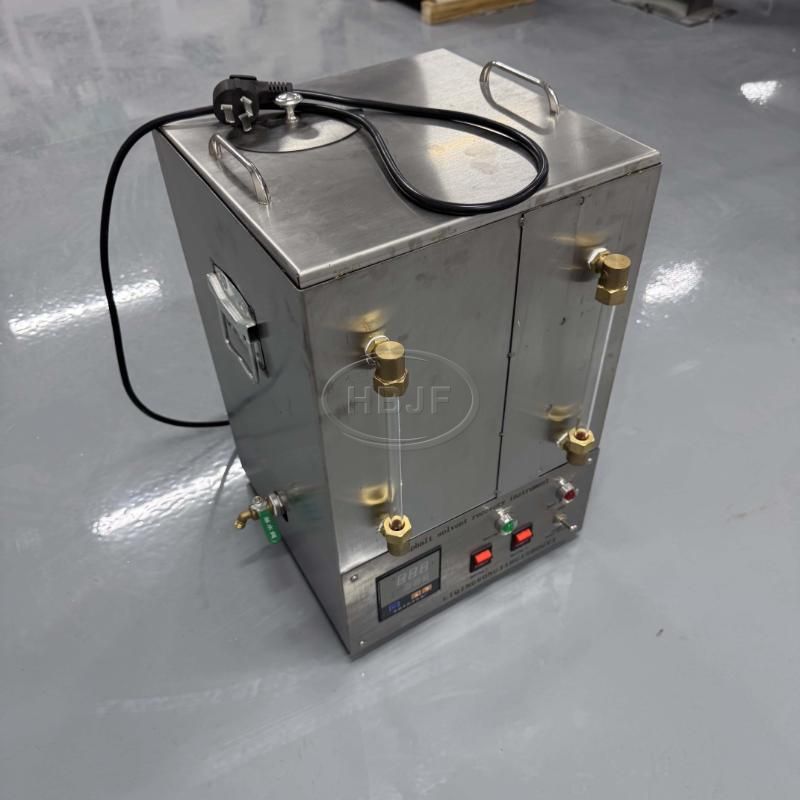
In asphalt laboratories, accurate softening point testing is essential for evaluating the temperature susceptibility and performance characteristics of bitumen materials. The asphalt softening point tester is one of the most widely used types of Asphalt Testing Equipment in road construction, pavement engineering, and quality control laboratories.
However, testing failures and inconsistent results can occur if the equipment is not properly maintained or operated. Understanding how to troubleshoot common asphalt softening point tester problems helps laboratories improve testing reliability, reduce downtime, and maintain compliance with international standards.
HBJF manufactures professional Asphalt Testing Equipment designed to deliver stable performance, precise temperature control, and dependable testing results for asphalt laboratories worldwide.
The softening point test determines the temperature at which bitumen softens enough for a steel ball to fall a specified distance under controlled heating conditions. The Ring and Ball method is commonly used according to ASTM and EN standards.
This test is important because it helps engineers evaluate:
· Bitumen temperature resistance
· Asphalt performance under heat
· Material suitability for different climates
· Pavement durability
Accurate results depend heavily on proper equipment operation and calibration.
Softening point testing errors can lead to:
· Incorrect bitumen grading
· Poor asphalt mix design
· Reduced pavement durability
· Inconsistent laboratory data
· Project quality control issues
Reliable Asphalt Testing Equipment is essential for producing repeatable and standards-compliant test results.
One of the most common softening point tester problems is incorrect heating speed. The heating rate must remain stable throughout the test to ensure accurate results.
· Faulty heating elements
· Damaged temperature sensors
· Poor temperature controller calibration
· Electrical instability
To fix heating rate problems:
· Inspect heating elements regularly
· Calibrate temperature sensors frequently
· Verify power supply stability
· Replace damaged controllers when necessary
Modern Asphalt Testing Equipment from HBJF includes advanced digital temperature control systems that improve heating accuracy.
If the liquid bath temperature is not evenly distributed, the asphalt samples may soften at different rates, producing inconsistent test results.
· Poor circulation inside the bath
· Incorrect liquid levels
· Contaminated heating medium
· Malfunctioning stirrers
Laboratories should:
· Maintain proper bath liquid levels
· Clean the heating bath regularly
· Inspect stirring systems
· Replace contaminated bath liquids
Uniform temperature distribution is critical for repeatable testing.
Improper positioning of the steel balls or brass rings may affect the final softening point reading.
· Misaligned rings
· Off-center ball placement
· Uneven asphalt sample surfaces
· Loose support components
To improve accuracy:
· Carefully align all components before testing
· Use level sample preparation methods
· Inspect ring holders regularly
· Replace damaged fixtures immediately
Correct positioning helps ensure consistent specimen behavior during heating.
Temperature sensors are critical components of Asphalt Testing Equipment. If sensors drift out of calibration, the tester may display incorrect softening point values.
· Unstable temperature display
· Inconsistent readings between tests
· Large deviations from reference samples
· Unexpected temperature fluctuations
· Perform regular sensor calibration
· Use certified thermometers for verification
· Replace aging sensors
· Follow manufacturer calibration schedules
Routine calibration significantly improves testing reliability.
The heating medium used in softening point testing can become contaminated over time. Dirt, oxidized oil, or asphalt residue may affect heat transfer efficiency.
· Uneven heating
· Slow temperature response
· Reduced testing accuracy
· Increased maintenance issues
· Replace bath liquids regularly
· Clean testing containers thoroughly
· Remove asphalt residue after each test
· Use recommended heating media only
Clean equipment improves long-term performance.
Voltage fluctuations or electrical component failures can interrupt testing operations and affect temperature stability.
· Loose wiring connections
· Damaged switches
· Faulty circuit boards
· Overheated components
To reduce electrical failures:
· Inspect wiring regularly
· Tighten loose electrical connections
· Replace damaged components promptly
· Ensure stable laboratory power supply
Preventive maintenance helps avoid unexpected downtime.
Over time, repeated use may cause wear in mechanical parts and support structures.
· Corroded metal components
· Loose brackets
· Damaged ring supports
· Worn ball guides
· Replace worn components immediately
· Lubricate moving parts if applicable
· Inspect support frames regularly
· Follow scheduled maintenance programs
HBJF designs durable Asphalt Testing Equipment with long service life and reliable mechanical stability.
Human error remains a major cause of testing inconsistency.
Common operator mistakes include:
· Incorrect sample preparation
· Improper heating medium selection
· Delayed test timing
· Poor cleaning practices
Laboratories should:
· Develop standardized procedures
· Train technicians regularly
· Use automated testing systems when possible
· Conduct routine quality audits
Well-trained operators improve laboratory consistency and efficiency.
Extreme room temperatures may influence bath heating performance and temperature stability.
Dust accumulation can affect sensors, electrical systems, and heating efficiency.
· Maintain a clean laboratory environment
· Protect equipment when not in use
· Install equipment in temperature-controlled rooms
Proper environmental management supports accurate Asphalt Testing Equipment operation.
Advanced digital systems offer improved testing precision and automation.
Modern features include:
· Automatic temperature control
· Digital displays
· Real-time monitoring
· Improved calibration systems
· Automatic endpoint detection
These innovations help reduce human error and improve repeatability.
HBJF continues to provide advanced Asphalt Testing Equipment that supports reliable asphalt material analysis for laboratories and construction projects worldwide.
Asphalt softening point tester failures are commonly caused by temperature instability, calibration errors, improper component positioning, contaminated heating media, electrical problems, and operator mistakes. These issues can significantly affect asphalt quality evaluation and laboratory efficiency.
By performing regular maintenance, calibrating equipment frequently, following standardized testing procedures, and using reliable Asphalt Testing Equipment, laboratories can greatly improve testing consistency and accuracy.
HBJF remains committed to delivering dependable asphalt laboratory solutions that help engineers and technicians achieve precise, standards-compliant softening point testing results in demanding construction environments.
Copyright:@2020-2021

Comments Please sign in or sign up to post.
0
0 of 500 characters used