
Marshall Stability testing is one of the most widely used methods for evaluating asphalt mixture performance in road construction projects. The test measures the maximum load and flow value of asphalt specimens under controlled conditions, helping engineers determine pavement strength and durability. Because of its importance in pavement design and quality control, accurate testing is essential.
However, even advanced Asphalt Testing Equipment can produce unreliable results if operational errors, calibration issues, or environmental problems occur. Understanding the most common Marshall Stability Tester errors and knowing how to fix them can greatly improve testing consistency and laboratory efficiency.
HBJF provides professional Asphalt Testing Equipment designed to support accurate and repeatable Marshall Stability testing for laboratories and construction companies worldwide.
The Marshall Stability test evaluates:
· Asphalt mixture strength
· Flow characteristics
· Resistance to deformation
· Load-bearing capacity
The test is commonly used in:
· Highway construction
· Airport pavement projects
· Municipal road engineering
· Asphalt mix design laboratories
Accurate results help engineers optimize asphalt mixtures for long-term pavement performance.
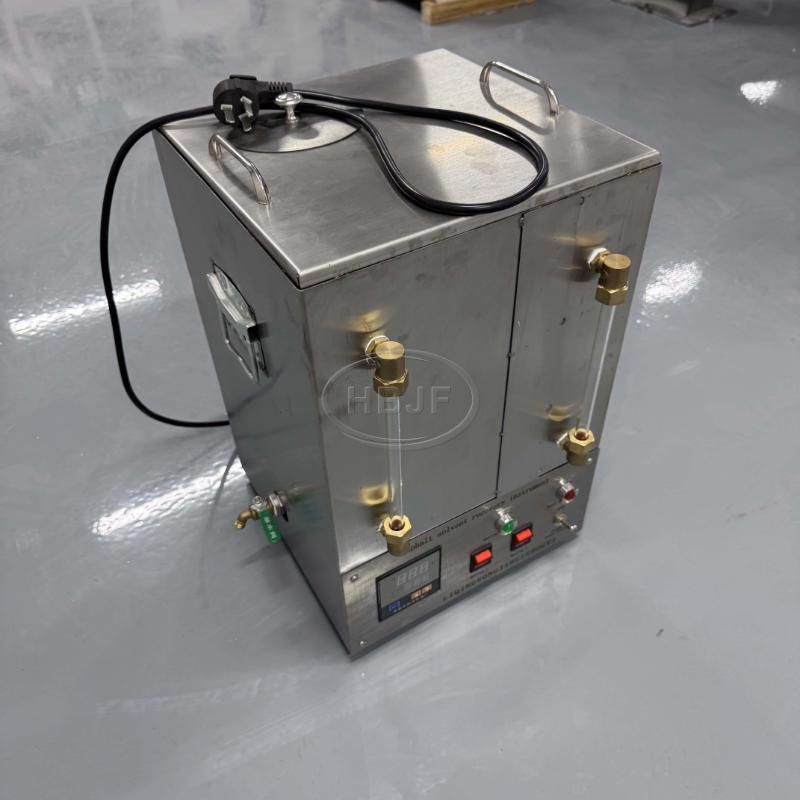
Even small testing errors can significantly affect asphalt mix evaluations. Incorrect readings may lead to:
· Weak pavement structures
· Premature cracking or rutting
· Increased maintenance costs
· Failed project specifications
· Inconsistent quality control data
Proper operation and maintenance of Asphalt Testing Equipment are critical for obtaining reliable test results.
One of the most common Marshall Stability Tester problems is inaccurate load measurement caused by poor calibration.
Common causes include:
· Sensor aging
· Electronic drift
· Mechanical wear
· Irregular calibration schedules
If the load sensor is not properly calibrated, the tester may display higher or lower stability values than the actual specimen strength.
To improve measurement accuracy:
· Perform regular calibration using certified standards
· Inspect load cells for damage
· Replace worn sensors when necessary
· Follow manufacturer maintenance recommendations
Routine calibration ensures reliable and repeatable testing performance.
Marshall specimens must be compacted uniformly to produce consistent test results. Uneven compaction creates variations in density and strength.
Common causes include:
· Incorrect hammer blows
· Uneven mold filling
· Improper heating temperature
· Segregated asphalt mixtures
To reduce specimen preparation errors:
· Follow standard compaction procedures
· Use calibrated compaction equipment
· Maintain proper asphalt mixing temperatures
· Ensure even aggregate distribution
Proper specimen preparation is essential for accurate Asphalt Testing Equipment performance.
Marshall Stability testing is highly sensitive to temperature. Asphalt specimens are typically conditioned at 60°C before testing. Small temperature variations can significantly affect stability and flow values.
· Faulty water bath calibration
· Uneven heating
· Insufficient conditioning time
· Temperature sensor inaccuracies
Laboratories should:
· Regularly calibrate water baths
· Verify temperature stability before testing
· Use certified thermometers
· Maintain proper specimen conditioning times
Stable temperature control improves testing repeatability.
The Marshall Stability Tester applies load at a specified speed, usually 50 mm per minute. Incorrect loading speed can alter specimen behavior and produce inaccurate results.
· Motor speed instability
· Worn drive systems
· Poor equipment maintenance
· Incorrect speed settings
To maintain accurate loading speed:
· Inspect motors regularly
· Lubricate moving components
· Calibrate speed settings periodically
· Replace worn transmission parts
Modern Asphalt Testing Equipment from HBJF includes digital speed control systems that improve testing precision.
Improper alignment between the loading head and specimen can create uneven force distribution during testing.
This may result in:
· Irregular specimen failure
· Inaccurate stability readings
· Excessive equipment wear
· Poor repeatability
· Inspect loading heads regularly
· Check specimen positioning before testing
· Tighten loose mechanical components
· Replace damaged guides or fixtures
Proper alignment helps ensure accurate force application.
Flow measurement indicates specimen deformation during loading. Faulty flow readings often occur because of:
· Damaged dial gauges
· Sensor drift
· Improper zero adjustment
· Loose mounting brackets
To improve flow measurement accuracy:
· Calibrate flow meters regularly
· Verify zero position before testing
· Replace damaged gauges immediately
· Use digital flow measurement systems when possible
Reliable flow measurement is essential for evaluating asphalt flexibility.
Human error remains one of the leading causes of inaccurate Marshall Stability results.
Common operator mistakes include:
· Incorrect specimen handling
· Delayed testing after conditioning
· Improper machine setup
· Recording incorrect values
Laboratories should:
· Develop standardized testing procedures
· Train technicians regularly
· Use automated data collection systems
· Implement quality control checks
Experienced operators improve overall laboratory consistency.
External vibrations from nearby equipment or unstable flooring may interfere with sensitive measurements.
· Install testers on stable platforms
· Isolate testing areas from heavy machinery
· Use vibration-resistant laboratory tables
Dust buildup may affect moving parts and sensor performance.
· Clean equipment frequently
· Protect instruments when not in use
· Maintain a clean laboratory environment
Proper environmental control extends the lifespan of Asphalt Testing Equipment.
Regular maintenance is essential for preventing unexpected tester failures and maintaining long-term accuracy.
· Inspect load cells and sensors
· Check moving components for wear
· Lubricate mechanical systems
· Verify electrical connections
· Calibrate testing systems periodically
HBJF manufactures durable Asphalt Testing Equipment designed for stable operation and reduced maintenance requirements.
Advanced testing systems offer several advantages over traditional manual equipment.
Modern features include:
· Automatic data collection
· Digital load and flow displays
· Precise speed control
· Improved calibration functions
· Enhanced testing consistency
Digital systems help laboratories improve efficiency while reducing operator-related errors.
Marshall Stability Tester errors can result from calibration problems, improper specimen preparation, temperature instability, loading speed variations, mechanical misalignment, and operator mistakes. These issues directly affect asphalt mixture evaluation and pavement quality control.
By following proper maintenance procedures, standardizing laboratory practices, and using reliable Asphalt Testing Equipment, laboratories can significantly improve testing accuracy and consistency.
HBJF continues to provide advanced asphalt laboratory solutions that help engineers and technicians achieve dependable, standards-compliant Marshall Stability testing results for modern road construction projects.
Copyright:@2020-2021

Comments Please sign in or sign up to post.
0
0 of 500 characters used