
Accurate asphalt content measurement is essential in road construction, pavement maintenance, and quality control. A bitumen extractor is one of the most important types of Asphalt Testing Equipment used in laboratories to determine the percentage of asphalt binder in asphalt mixtures. However, many technicians and engineers encounter inconsistent or variable asphalt content readings during testing.
These fluctuations can lead to incorrect mix evaluations, failed quality inspections, and unreliable pavement performance predictions. Understanding the causes behind variable asphalt content readings helps laboratories improve testing accuracy and maintain compliance with industry standards.
HBJF manufactures professional Asphalt Testing Equipment designed to improve testing precision and reduce operational errors in asphalt laboratories worldwide.
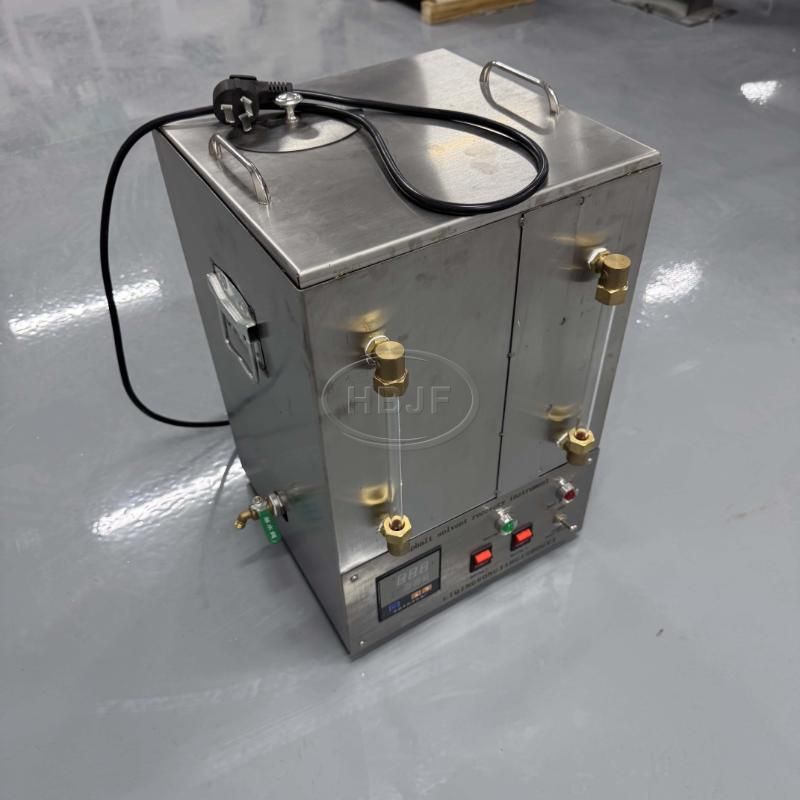
A bitumen extractor separates asphalt binder from aggregate materials using centrifugal force and solvents. The process allows technicians to calculate asphalt content by comparing sample weights before and after extraction.
The accuracy of the final result depends on several factors, including:
· Equipment calibration
· Sample preparation
· Solvent quality
· Operator procedures
· Environmental conditions
Even small inconsistencies during testing can produce variable readings.
Reliable asphalt content testing is critical because asphalt binder directly affects pavement durability, flexibility, and resistance to cracking.
Incorrect asphalt content measurements may result in:
· Poor pavement performance
· Premature road damage
· Increased maintenance costs
· Failure to meet project specifications
· Inconsistent asphalt mix quality
Using high-quality Asphalt Testing Equipment and proper testing procedures helps minimize these risks.
One of the most common causes of variable readings is improper sample preparation. If the asphalt mixture is not evenly distributed before testing, the extracted sample may not represent the actual mix composition.
Common issues include:
· Aggregate segregation
· Uneven binder distribution
· Incorrect sample size
· Moisture contamination
Proper mixing and representative sampling are essential for accurate testing.
Moisture significantly affects asphalt content calculations. Wet aggregates may increase the sample weight, leading to inaccurate binder percentage results.
To reduce moisture-related errors:
· Dry samples thoroughly before testing
· Store materials in controlled environments
· Avoid testing immediately after rain exposure
Consistent drying procedures improve repeatability.
Bitumen extraction depends heavily on solvent effectiveness. If the solvent cannot completely dissolve the asphalt binder, residual binder remains attached to aggregates, causing low asphalt content readings.
Low-quality or contaminated solvents may:
· Reduce extraction efficiency
· Leave asphalt residue
· Produce inconsistent results between tests
Using fresh, high-purity solvents is important for reliable performance.
Using too little solvent prevents complete binder separation.
Signs of insufficient solvent include:
· Dark residue remaining on aggregates
· Uneven extraction results
· Lower-than-expected asphalt content values
Laboratories should follow standard solvent volume recommendations for each sample size.
A bitumen extractor relies on proper rotational speed to separate asphalt binder efficiently. If the centrifuge speed is too low or inconsistent, extraction performance decreases.
Calibration problems may occur because of:
· Motor wear
· Faulty speed controllers
· Electrical instability
· Poor maintenance
Regular inspection of Asphalt Testing Equipment helps ensure stable operation.
Over time, extractor components may wear out or become damaged.
Common problems include:
· Loose rotating bowls
· Damaged seals
· Blocked drainage systems
· Imbalanced rotating parts
Mechanical wear can directly affect extraction consistency and measurement accuracy.
HBJF provides durable Asphalt Testing Equipment engineered for long-term reliability and stable testing performance.
Different technicians may use slightly different methods during extraction. Variations in timing, solvent handling, and cleaning procedures can create inconsistent readings.
Examples include:
· Different extraction durations
· Uneven solvent pouring techniques
· Incomplete cleaning between tests
· Incorrect weighing procedures
Standardized laboratory procedures help improve repeatability.
Accurate weighing is essential when calculating asphalt content percentages.
Errors may occur due to:
· Uncalibrated balances
· Dust accumulation on scales
· Reading measurements too quickly
· Sample loss during handling
Laboratories should regularly calibrate balances and train technicians on correct weighing methods.
Temperature affects both asphalt viscosity and solvent performance. Extreme temperatures may reduce extraction efficiency or alter sample behavior.
High temperatures can:
· Increase solvent evaporation
· Change binder properties
· Affect weighing accuracy
Maintaining stable laboratory conditions improves testing consistency.
Nearby machinery or unstable work surfaces may interfere with centrifuge operation and balance accuracy.
To minimize vibration-related issues:
· Install equipment on stable platforms
· Separate testing areas from heavy machinery
· Use vibration-resistant tables if necessary
Some aggregates absorb asphalt binder more deeply than others. Highly absorptive materials may retain binder even after extraction, resulting in lower asphalt content readings.
This issue is common with:
· Porous aggregates
· Lightweight aggregates
· Recycled materials
Additional extraction cycles may be necessary for complete binder removal.
Fine particles may escape during extraction if filters are damaged or improperly installed.
Loss of fines can:
· Change final weight calculations
· Affect asphalt content percentages
· Reduce testing accuracy
Proper filter inspection is essential for reliable results.
Advanced digital extraction systems help laboratories reduce testing variability through automation and precision controls.
Modern features include:
· Automatic speed regulation
· Digital timers
· Improved solvent recovery systems
· Precision balance integration
· Enhanced safety controls
HBJF develops advanced Asphalt Testing Equipment that supports accurate, repeatable asphalt content testing for professional laboratories.
To improve consistency and testing reliability, laboratories should follow these recommendations:
Regular maintenance helps prevent:
· Speed instability
· Mechanical wear
· Seal leakage
· Extraction inefficiency
Consistent procedures reduce operator-related variability and improve repeatability between tests.
Routine calibration of:
· Centrifuge speed
· Laboratory balances
· Timers
· Temperature controls
ensures accurate measurements.
Well-trained technicians are essential for achieving stable and repeatable testing results.
Variable asphalt content readings from a bitumen extractor are usually caused by a combination of sample preparation issues, solvent problems, calibration errors, operator mistakes, and environmental conditions. Even minor inconsistencies can significantly affect asphalt mix evaluation and pavement quality control.
By using reliable Asphalt Testing Equipment, following standardized procedures, and performing regular maintenance and calibration, laboratories can greatly improve testing accuracy and consistency.
HBJF continues to provide professional asphalt laboratory solutions designed to help engineers and technicians achieve dependable, standards-compliant testing performance in demanding construction environments.
Previous: How Grid Simulation Testing Reduces Field Failure Rates for Grid-Connected Electronics
Next: Horizontal, Vertical, and CNC Turning: Exploring Precision Machining Techniques
Copyright:@2020-2021

Comments Please sign in or sign up to post.
0
0 of 500 characters used