
Humidity is one of the biggest environmental challenges affecting building insulation performance. In regions with high rainfall, coastal weather, or tropical climates, insulation materials must not only provide thermal efficiency but also resist moisture penetration and maintain long-term structural stability.
When insulation absorbs excessive moisture, its thermal resistance can decrease significantly, leading to higher energy consumption, mold growth, corrosion issues, and reduced building durability. This is why moisture resistance has become a critical factor when comparing insulation materials such as rock wool and Glass Wool.
As a trusted insulation supplier, Huana provides high-performance insulation solutions designed to improve thermal efficiency and long-term reliability in demanding climate conditions.
Moisture can negatively impact insulation in several ways.
When insulation materials absorb water, they may experience:
Reduced thermal performance
Mold and mildew growth
Structural degradation
Increased maintenance costs
Lower indoor air quality
Corrosion in surrounding materials
In humid climates, choosing the right insulation material helps maintain energy efficiency and building safety over time.
Both rock wool and Glass Wool are widely used in construction, but their moisture behavior differs depending on installation conditions and material properties.
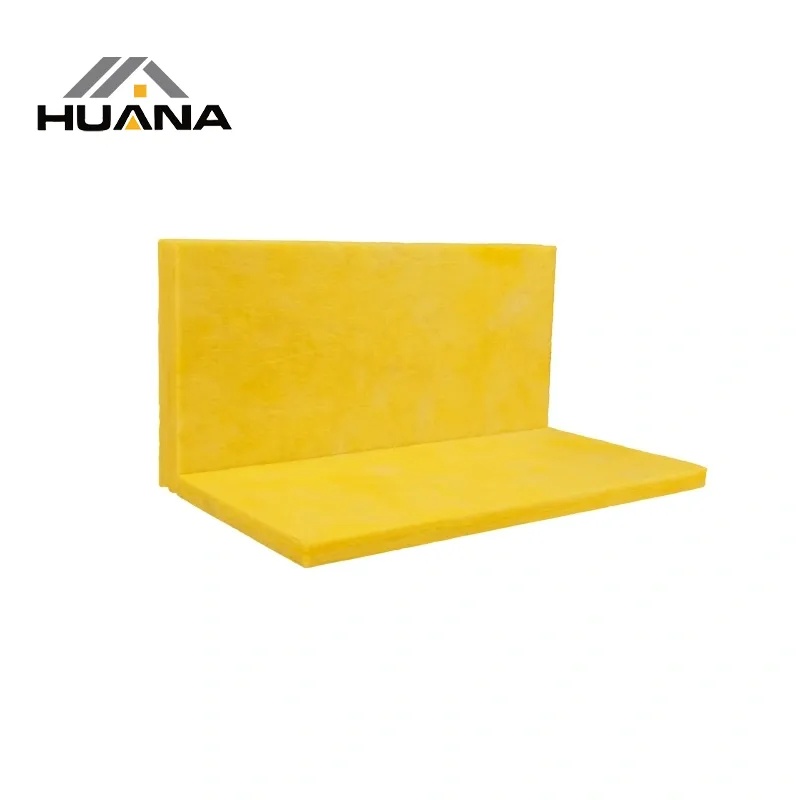
Glass Wool is manufactured from recycled glass and silica sand that are melted and spun into lightweight fibers.
It is commonly used for:
Wall insulation
Ceiling insulation
HVAC systems
Acoustic insulation
Residential construction
Commercial buildings
Glass Wool is popular because it offers:
Good thermal insulation
Lightweight installation
Cost-effective performance
Sound absorption capability
However, moisture control is an important consideration when using Glass Wool in humid environments.
Rock wool, also known as mineral wool or stone wool, is made from volcanic rock such as basalt and recycled slag materials.
It is widely used in:
Exterior wall systems
Industrial insulation
Fireproof structures
High-rise buildings
Acoustic applications
Rock wool is generally denser than Glass Wool and is often selected for projects requiring strong fire resistance and moisture stability.
Glass Wool fibers themselves do not absorb water easily, but the material’s structure can trap moisture if exposed to water penetration or condensation.
If improperly installed or exposed to continuous humidity, Glass Wool may experience:
Reduced insulation efficiency
Compression of fiber structure
Mold risk in surrounding materials
Longer drying times
Moisture trapped inside wall systems can negatively affect long-term building performance.
Rock wool generally offers stronger water repellency because many products are treated with hydrophobic additives during manufacturing.
Advantages include:
Better resistance to water penetration
Faster moisture drainage
Stable insulation performance under humid conditions
Improved long-term durability
In humid climates, rock wool often maintains more stable thermal performance over time.
Moisture directly affects thermal insulation efficiency.
Under dry conditions, Glass Wool provides excellent thermal insulation performance.
However, if moisture accumulates inside the material, thermal conductivity can increase, reducing insulation effectiveness.
This may lead to:
Higher cooling costs
Reduced energy efficiency
Indoor temperature instability
Proper vapor barriers and ventilation are important when installing Glass Wool in humid regions.
Rock wool generally maintains more consistent thermal resistance under changing humidity conditions.
Its dense structure and water-repellent treatment help reduce moisture-related performance loss.
This makes rock wool particularly suitable for:
Coastal buildings
Industrial facilities
Exterior wall insulation systems
Tropical climates
Humidity often creates conditions favorable for mold growth.
Glass Wool itself is generally resistant to mold because the fibers are inorganic.
However, trapped moisture inside surrounding wall systems may still encourage mold growth on nearby organic materials such as wood or drywall.
Proper moisture management is essential.
Rock wool also offers strong resistance to mold and mildew because of its mineral composition and moisture-draining properties.
Its ability to resist prolonged water retention helps reduce humidity-related building issues.
Long-term durability is an important factor in insulation selection.
Glass Wool performs well in controlled indoor environments, but prolonged moisture exposure may gradually affect material stability if installation protection is inadequate.
Compression or sagging may occur over time in poorly ventilated systems.
Rock wool generally provides:
Better dimensional stability
Stronger resistance to humidity cycles
Longer service life in harsh climates
Improved structural consistency
For demanding environments, rock wool often offers better long-term reliability.
Proper installation is critical for both insulation types.
When using Glass Wool in humid climates:
Install vapor barriers correctly
Ensure proper wall ventilation
Prevent water leakage
Avoid compression during installation
Correct installation greatly improves moisture performance.
Rock wool systems should also include proper waterproofing and ventilation for maximum efficiency.
However, rock wool generally provides more flexibility under humid operating conditions.
The answer depends on project conditions and performance priorities.
Lightweight insulation is preferred
Budget-sensitive projects are involved
Indoor humidity is well controlled
Residential construction is the primary application
Humidity exposure is high
Exterior insulation systems are required
Long-term moisture resistance is critical
Fire resistance is also important
Both materials can perform effectively when properly installed, but rock wool generally offers stronger moisture resistance in humid climates.
Huana provides high-quality insulation materials engineered for energy efficiency, fire safety, and long-term durability.
Advantages include:
Reliable thermal performance
Moisture-resistant insulation solutions
Professional manufacturing standards
Stable product quality
Support for modern construction requirements
High-performance insulation helps buildings maintain comfort and efficiency even in challenging environmental conditions.
Moisture resistance is a critical factor when selecting insulation for humid climates. While Glass Wool offers excellent thermal and acoustic insulation under controlled conditions, prolonged moisture exposure may reduce its effectiveness if not properly managed.
Rock wool generally provides stronger moisture resistance, better long-term durability, and more stable thermal performance in humid environments. By choosing high-quality insulation products from Huana, builders and contractors can improve building efficiency, indoor comfort, and long-term structural reliability.
Previous: Are there OEM or private-label options for SPC flooring?
Next: What is the Process of Mineral Fiber Ceiling Tiles Production?
Copyright:@2020-2021

Comments Please sign in or sign up to post.
0
0 of 500 characters used