19990515wkq
Guide to Selecting Woven Wire Mesh: Balancing Strength, Open Area, and Service Life
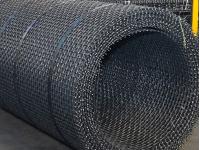
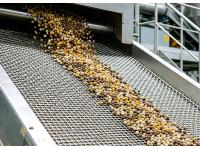
Start with strength. The durability of the wire woven mesh depends on things like the metal you pick, how thick the wires are, and how the thing is woven together.
Standardized Screening Efficiency Test Conditions of Self-Cleaning Screens:
The first core section of a rigorous Self‑Cleaning Screen Quality Testing workflow runs under real‑world simulated operating parameters.
Prediction of Wear-Based Replacement Cycles and Spare Parts Management for Grizzly Screens
In mining and aggregate plants, the grizzly screen takes a beating—it’s the first line that sorts out oversized rocks, facing nonstop impact and abrasion.
Long-term impact of the elastic recovery performance of rubber screens on screening efficiency
Rubber screen works on a vibrating screen precisely because it flexes, snaps back, and throws the near-size particle clear of the aperture, and once that snap-back starts to lag, throughput falls off
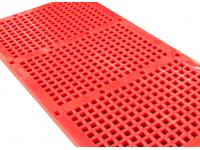
Comparison of Round, Square, and Slotted Apertures in Polyurethane Screens and Respective Application Scenarios
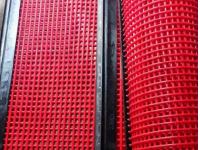
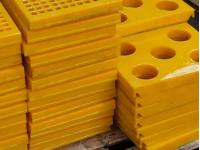
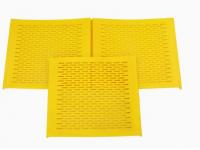
Selecting the right polyurethane screen panel requires careful consideration of aperture shape, as it directly impacts performance.
Frame Design and Rapid Screen-Changing System for Polyurethane Tensioned Screen Panels
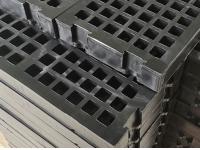
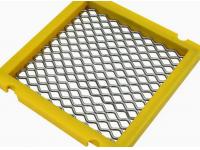
The effectiveness of high-quality polyurethane tensioned screen panels hinges entirely on the frame that supports them and the system used for their installation.
Finding and Applying the Correct Torque Standard Self-Cleaning Screens
The authoritative standard for installation tensioning torque comes from the self-cleaning screen manufacturer, not the vibrator manufacturer.
Anti-sticking and Corrosion Resistance Requirements for Woven Mesh Used in Compound Fertilizer Granules Screening
As soon as these granules hit an ordinary woven metal mesh, they start gluing themselves down. Before long, you’ll have a solid cake blocking your screen.
Selection and Failure Warning Signals for Rubber Buffer Springs in Vibrating Screens
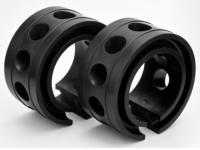
Rubber buffer springs are the shock absorbers of your vibrating screen—they take the constant pounding so your motor and frame don't have to. But picking the wrong ones or ignoring early failure signa
How to Stretch Screen Life Without Overpaying
Polyurethane screens in sand washing production lines aren't a one-size-fits-all decision. Dewatering performance, consumable costs, and feed characteristics all collide in the real world.
Copyright:@2020-2021